Blog

  • 5 Flowbox Alternatives for UGC & Instagram Feed Embedding in 2025

    5 Flowbox Alternatives for UGC & Instagram Feed Embedding in 2025

    In the evolving landscape of digital marketing, leveraging user-generated content (UGC) has become paramount for brands aiming to build trust, engage audiences, and drive conversions. Flowbox has been a popular choice for UGC aggregation and Instagram feed embedding. However, as brands’ needs diversify, exploring alternative platforms can offer enhanced features, better scalability, and cost-effective solutions.

    Why Consider Alternatives to Flowbox?

    While Flowbox offers robust UGC capabilities, several factors might prompt brands to explore other options:

    • Cost Considerations: Flowbox’s pricing may be prohibitive for small to mid-sized businesses.
    • Feature Limitations: Some brands require more advanced customization or integration options.
    • Scalability: As businesses grow, the need for more flexible and scalable solutions becomes evident.
    • User Experience: A more intuitive interface or better customer support might be desired.

    List of Top 5 Flowbox Alternatives in 2025

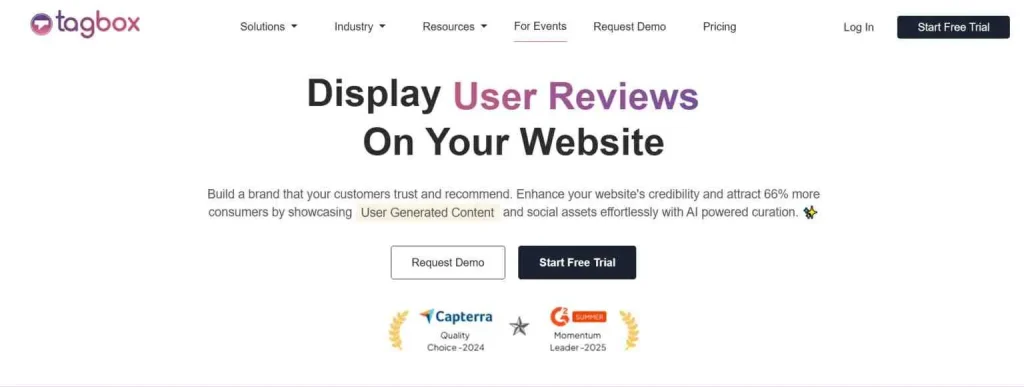
    1. Taggbox

    Flowbox Alternatives - Taggbox

    Overview: Taggbox is a versatile UGC platform that allows brands to collect, curate, and display user-generated content across websites and digital displays. It integrates seamlessly with social media platforms such as Instagram, Twitter, and Facebook.

    Key Features:

    • Multi-Platform Integration: Aggregates content from various social media platforms.
    • Customizable Widgets: Offers a range of display options to match brand aesthetics.
    • Moderation Tools: Provides real-time content moderation to ensure brand safety.
    • Analytics: Tracks engagement metrics to measure the effectiveness of UGC campaigns.

    Ideal For: Brands seeking a comprehensive solution for UGC aggregation and display.

    Pricing: Offers flexible pricing plans to accommodate various business needs.

    2. Bazaarvoice

    Flowbox Alternatives - Bazaarvoice

    Overview: Bazaarvoice is a leading UGC platform that helps brands leverage customer feedback and ratings to build trust and drive sales. It enables businesses to collect and showcase user reviews, photos, and videos across marketing channels.

    Key Features:

    • Review Management: Collects and displays user reviews and ratings.
    • Visual UGC: Integrates UGC photos and videos into product pages.
    • Syndication Network: Distributes reviews to multiple retail websites.
    • Analytics: Provides insights into customer sentiment and campaign performance.

    Ideal For: Businesses aiming to enhance customer trust through authentic reviews and ratings.

    Pricing: Pricing details are available upon request.

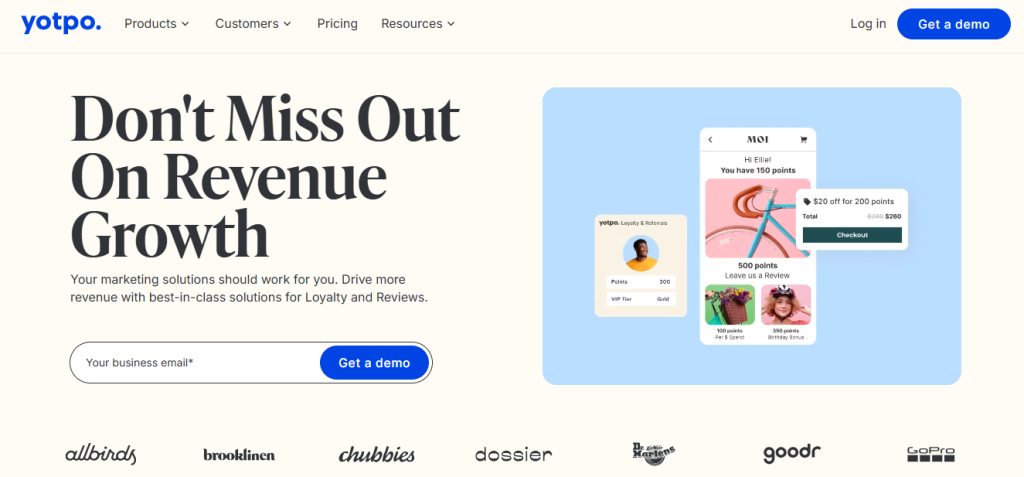
    3. Yotpo

    Flowbox Alternatives - Yotpo

    Overview: Yotpo is an eCommerce marketing platform that helps businesses collect and curate user-generated content across social media channels. It specializes in leveraging customer reviews, photos, and Q&A to boost conversions.

    Key Features:

    • Review & Q&A: Collects and displays customer reviews and questions.
    • Visual UGC: Showcases customer photos and videos.
    • Social Integration: Integrates with social media platforms to aggregate content.
    • Analytics: Measures the impact of UGC on customer engagement and sales.

    Ideal For: E-commerce businesses looking to leverage UGC for social proof and increased sales.

    Pricing: Offers plans tailored to businesses of different sizes.

    4. Emplifi (formerly Pixlee)
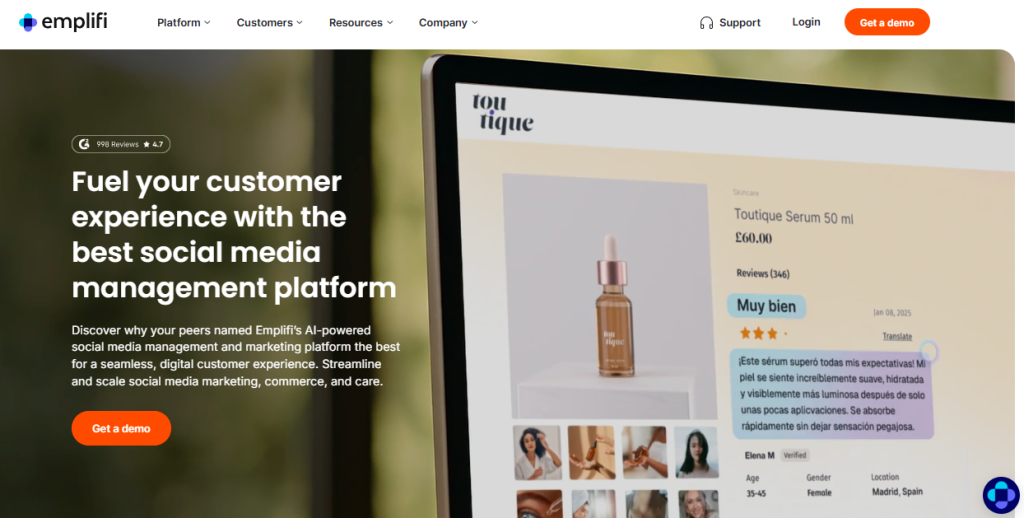
    Flowbox Alternatives - Emplifi

    Overview: Emplifi is a UGC platform that enables businesses to collect, curate, and publish user-generated content across social media channels. It specializes in community-driven commerce and influencer marketing.

    Key Features:

    • Content Curation: Collects and curates UGC from social media platforms.
    • Influencer Marketing: Identifies and collaborates with influencers.
    • Shoppable Galleries: Integrates UGC into shoppable product galleries.
    • Analytics: Provides insights into campaign performance and ROI.

    Ideal For: Brands aiming to drive engagement and sales through user-generated content and influencer collaborations.

    Pricing: Pricing information is available upon request.

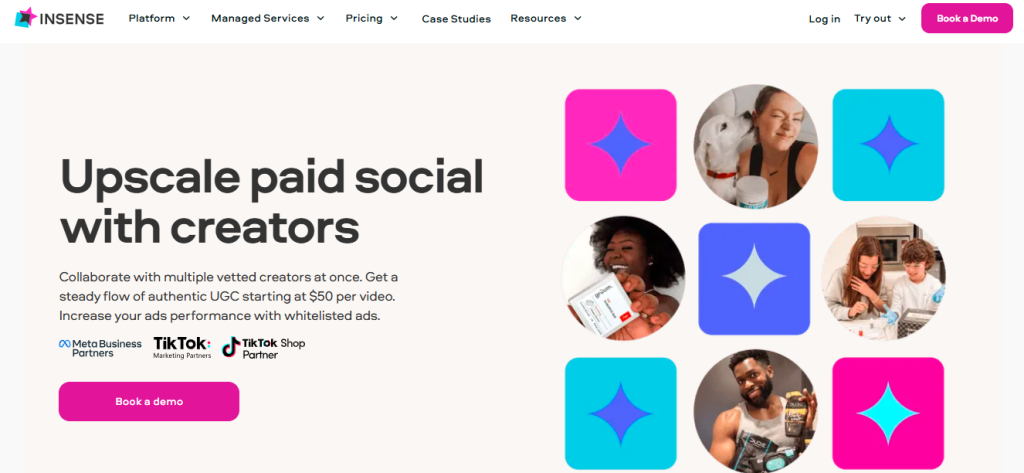
    5. Insense
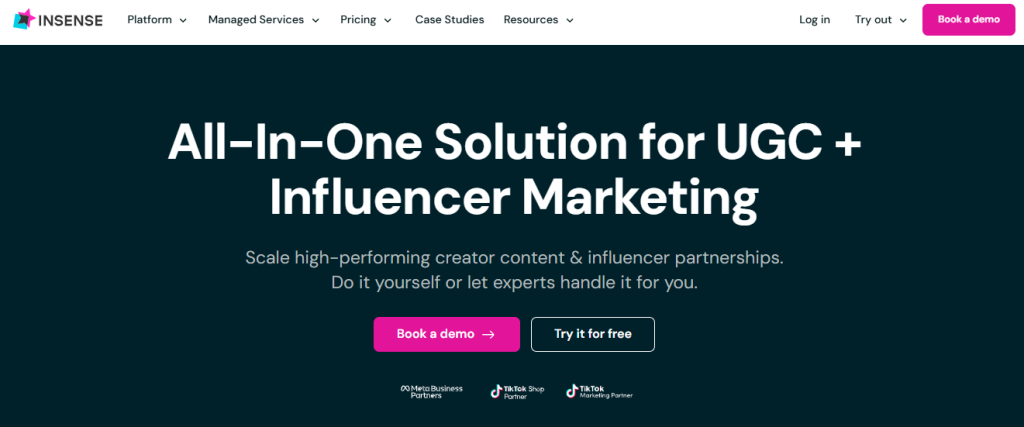
    Flowbox Alternatives - Insense

    Overview: Insense is an influencer marketing platform that connects brands with influencers and content creators across social media channels. It facilitates the creation of authentic content that resonates with target audiences.

    Key Features:

    • Influencer Discovery: Identifies and connects with relevant influencers.
    • Campaign Management: Manages influencer campaigns from start to finish.
    • Content Creation: Facilitates the creation of authentic content.
    • Analytics: Tracks campaign performance and ROI.

    Ideal For: Brands looking to collaborate with influencers to create authentic content.

    Pricing: Offers a range of plans based on campaign needs.

    How to Transition from Flowbox to an Alternative

    Migrating from Flowbox to a new platform involves several steps to ensure a smooth transition:

    1. Assess Current Setup: Review existing UGC feeds, embeds, and integrations.
    2. Select an Alternative: Choose a platform that aligns with your business needs and budget.
    3. Integrate New Platform: Set up the new platform and integrate it with your website and social media channels.
    4. Transfer Content: Migrate existing UGC content to the new platform.
    5. Test Functionality: Ensure all features are working correctly and that the user experience is seamless.
    6. Monitor Performance: Track engagement metrics to evaluate the effectiveness of the new platform.

    Conclusion

    Selecting the right UGC platform is crucial for brands aiming to enhance their digital presence and drive conversions. While Flowbox offers robust features, exploring alternatives such as Taggbox, Bazaarvoice, Yotpo, Emplifi, and Insense can offer tailored solutions that better meet your business needs. Consider factors such as integration capabilities, customization options, scalability, and pricing when making your decision.

    If you need further assistance in comparing these platforms or implementing a new UGC strategy, feel free to reach out for personalized guidance.
  • Top 10 UGC Management Tools in 2025

    Top 10 UGC Management Tools in 2025

    User-Generated Content (UGC) has become a powerful marketing asset for brands in 2025. UGC includes customer photos, reviews, videos, testimonials, and social posts that showcase real experiences with a brand. Unlike traditional marketing content, UGC builds trust, authenticity, and engagement.

    However, managing UGC manually can be overwhelming. Brands often face challenges like handling high volumes of content, ensuring legal permissions, and maintaining consistency across platforms. According to recent insights, brands leveraging UGC management tools can see up to 30% higher engagement compared to those managing content manually.

    This makes UGC management tools indispensable for modern marketers.

    What Are UGC Management Tools

    UGC management tools are software platforms designed to collect, curate, moderate, publish, and analyze user-generated content efficiently. They serve as an all-in-one solution for brands looking to scale their UGC campaigns without spending excessive time or resources.

    Key functionalities include:

    • Content aggregation: Pull UGC from social media, reviews, emails, or hashtags.
    • Rights management: Secure permission from creators to use their content legally.
    • AI moderation: Automatically filter inappropriate content.
    • Analytics: Track engagement, performance, and ROI.
    • Multi-platform publishing: Share curated content across websites, social channels, ads, and emails.

    Benefits of Using a UGC Management Tool

    Using a dedicated UGC platform offers several advantages:

    • Saves time: Automation reduces manual work in content curation and publishing.
    • Ensures compliance: Handles legal permissions and copyright issues effortlessly.
    • Maintains brand consistency: Ensures content aligns with brand guidelines.
    • Boosts engagement and conversions: Authentic content resonates with audiences and encourages actions.
    • Cross-platform distribution: Seamlessly shares content on social media, websites, and campaigns.
    • Performance tracking: Analytics help measure ROI and identify top-performing content.

    Top 10 UGC Management Tools in 2025

    1. Taggbox

    UGC Management Tools - Taggbox

    What it does: Taggbox allows brands to collect, curate, and showcase user-generated content across websites, digital screens, ads, and social platforms. It provides rights management, moderation, and design customization, making it easy to integrate UGC into marketing campaigns while tracking performance and engagement.

    2. Yotpo

    UGC Management Tools - Yotpo

    What it does: Yotpo specializes in collecting UGC reviews, photos, and videos directly from customers. It integrates seamlessly with Shopify, WooCommerce, and BigCommerce, helping brands leverage authentic UGC for social proof, credibility, and increased conversions.

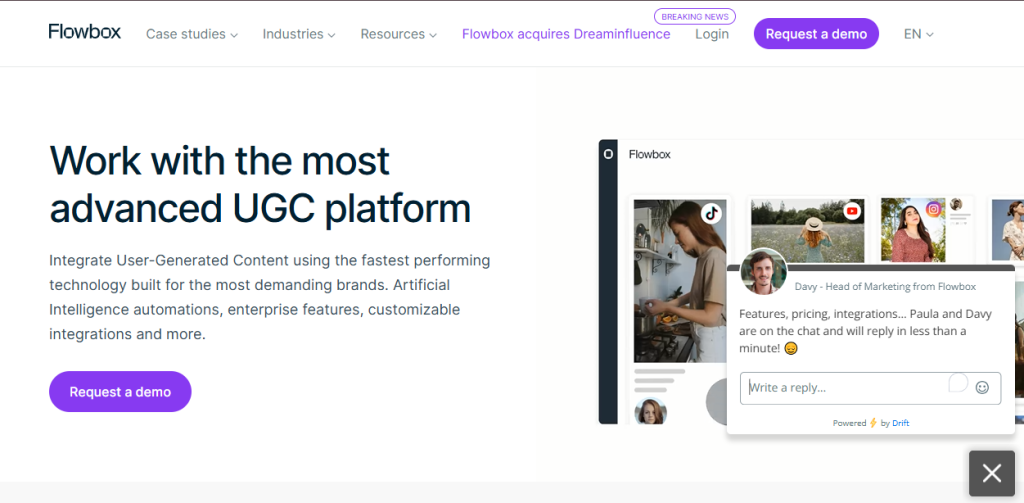
    3. Flowbox

    UGC Management Tools - Flowbox

    What it does: Flowbox offers visual UGC management and shoppable galleries. Brands can gather content from social media, manage permissions, and repurpose authentic customer photos to create visually consistent campaigns, websites, and online stores.

    4. Bazaarvoice

    UGC Management Tools - Bazaarvoice

    What it does: Bazaarvoice is an enterprise-grade platform for collecting, moderating, and syndicating user reviews and visual content. It enables brands to display authentic content across multiple channels and partner networks while maintaining compliance and quality control.

    5. SociableKIT

    UGC Management Tools - SociableKIT

    What it does: SociableKIT aggregates UGC from Instagram, Facebook, Twitter, and YouTube and allows brands to display feeds on websites. It provides customizable templates, live updates, and moderation features, making it easy to showcase social content while maintaining brand aesthetics.

    6. Pixlee TurnTo

    UGC Management Tools - Emplifi

    What it does: Pixlee TurnTo combines UGC, influencer content, and reviews in a single dashboard. Brands can curate and publish content across websites, social media, and marketing campaigns while analyzing engagement to optimize performance.

    7. Social Native

    UGC Management Tools - Social Native

    What it does: Social Native focuses on shoppable UGC and influencer-generated content. It helps brands source authentic content at scale from creators, automate curation, and integrate it directly into campaigns, ads, and eCommerce platforms for higher engagement.

    8. Insense

    UGC Management Tools - Insense

    What it does: Insense connects brands with creators and manages UGC licensing for paid campaigns. It simplifies the process of content creation, rights management, and distribution, making it easy to scale influencer-driven campaigns.

    9. Later

    UGC Management Tools - Later

    What it does: Later started as a social media scheduling tool but now includes UGC collection and reposting features. It allows brands to plan and visualize content calendars, ensuring consistent posting and easy integration of authentic user content.

    10. Skeepers

    UGC Management Tools - Skeepers

    What it does: Skeepers is an AI-powered platform for collecting, moderating, and activating UGC. It supports video reviews, photo content, and customer testimonials, providing analytics and insights to measure performance and improve engagement.

    Key Features to Look For in a UGC Management Tool

    When choosing a platform, consider these essential features:

    • Multi-platform UGC collection
    • Rights and permission management
    • Customizable design options
    • Advanced moderation filters (AI or manual)
    • Detailed analytics and engagement tracking
    • Integration with CMS, CRMs, and eCommerce platforms

    How to Choose the Right UGC Management Tool for Your Brand

    Step 1: Define your goals – engagement, conversions, or community growth.
    Step 2: Consider your budget and future scalability.
    Step 3: Evaluate ease of use and customization options.
    Step 4: Check integrations with Shopify, HubSpot, Meta, etc.
    Step 5: Compare support, analytics, and pricing before making a decision.

    Best Practices for Managing UGC Effectively

    • Always request creator permissions before using content.
    • Credit users properly on every post.
    • Maintain brand consistency while showcasing authentic content.
    • Regularly track performance metrics to optimize campaigns.
    • Repurpose high-performing UGC in ads, emails, and social media campaigns.

    Conclusion

    UGC management tools have become essential for brands in 2025. They empower marketers to collect, moderate, and distribute content efficiently while ensuring compliance and authenticity. Utilizing these tools enables brands to establish stronger connections with their audiences, increase engagement, and optimize ROI. Brands should explore and test platforms that align with their objectives and audience preferences.

  • How to Share UGC on Social Media: A Complete Guide for Brands in 2025

    How to Share UGC on Social Media: A Complete Guide for Brands in 2025

    In 2025, audiences are more skeptical than ever about polished ads and influencer endorsements. They crave authenticity, genuine experiences, genuine opinions, and authentic stories. That’s where User-Generated Content (UGC) steps in.

    UGC is any form of content, such as photos, videos, testimonials, or reviews, created by your customers that features your brand. From a customer unboxing your product on Instagram UGC to a happy client posting a before-and-after video on TikTok, these moments are marketing gold for brands.

    But here’s the challenge: how do you share UGC on social media effectively while keeping it authentic, on-brand, and legally safe?

    This guide breaks it all down, from collecting and getting permission to posting and measuring success. Whether you’re a marketer, an eCommerce brand, or a social media manager, you’ll learn exactly how to make UGC a powerful part of your UGC strategy.

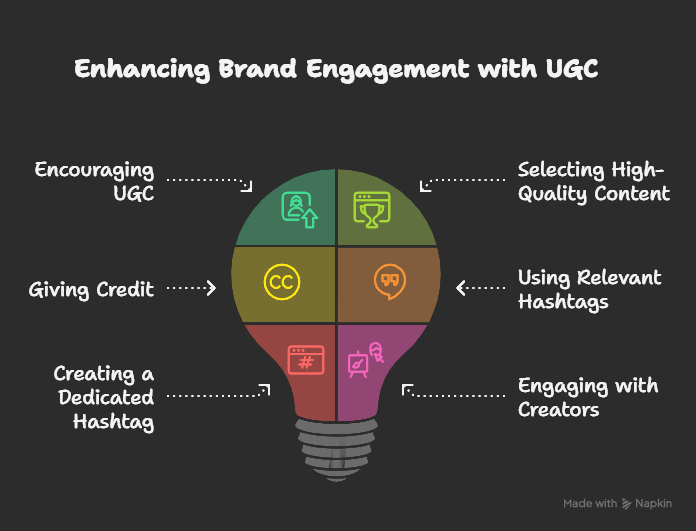
    enhancing brand engagement with ugc

    Why Brands Should Share UGC on Social Media

    Before jumping into the how-to, let’s understand why UGC is essential for your brand’s growth.

    1. Builds Authenticity and Trust

    People trust people more than brands. In fact, 90% of consumers say that UGC influences their buying decisions more than traditional ads. Sharing real customer experiences makes your brand relatable and trustworthy.

    2. Strengthens Community and Loyalty

    When customers see their content featured by your brand, it makes them feel valued. This creates a sense of belonging and encourages more people to share their experiences, strengthening your brand community.

    3. Increases Reach and Engagement

    UGC naturally performs better on social media. It feels genuine, sparks conversations, and attracts more engagement. Every tagged creator also helps you reach a wider audience.
    4. Drives Conversions

    According to research, UGC can improve conversion rates by up to 29%. Seeing real people use your products provides the kind of social proof that encourages others to make a purchase.

    5. Reduces Content Creation Costs

    You don’t need to spend thousands on photo shoots or UGC campaigns. UGC provides a steady stream of high-quality, brand-relevant content directly from your customers.

    Step-by-Step Guide: How to Share UGC on Social Media

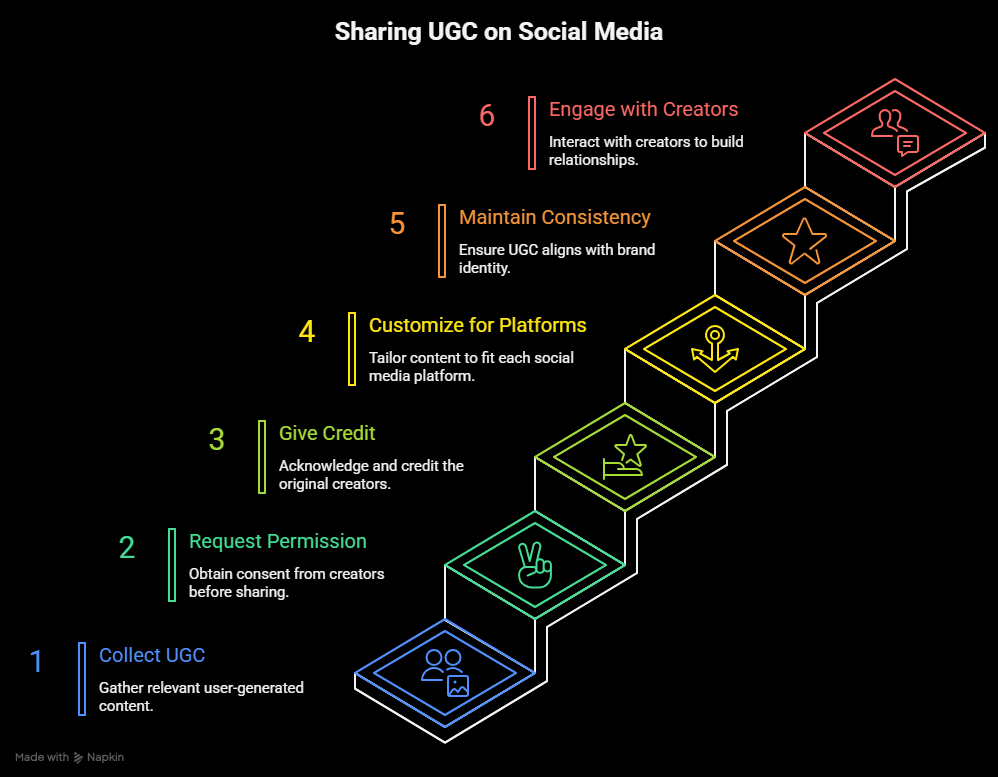
    steps to share ugc on social media

    Now that you know why UGC matters, let’s walk through the exact process of sharing it effectively.

    Step 1: Collect the Right UGC

    The first step is to gather authentic, high-quality content from your audience.

    A. Encourage Submissions

    • Create a branded hashtag (e.g., #MyBrandStory or #ShareWithTaggbox)
    • Ask customers to tag your handle or use your hashtag when sharing their posts
    • Run UGC contests or giveaways, encouraging users to post about your product

    B. Use UGC Collection Tools

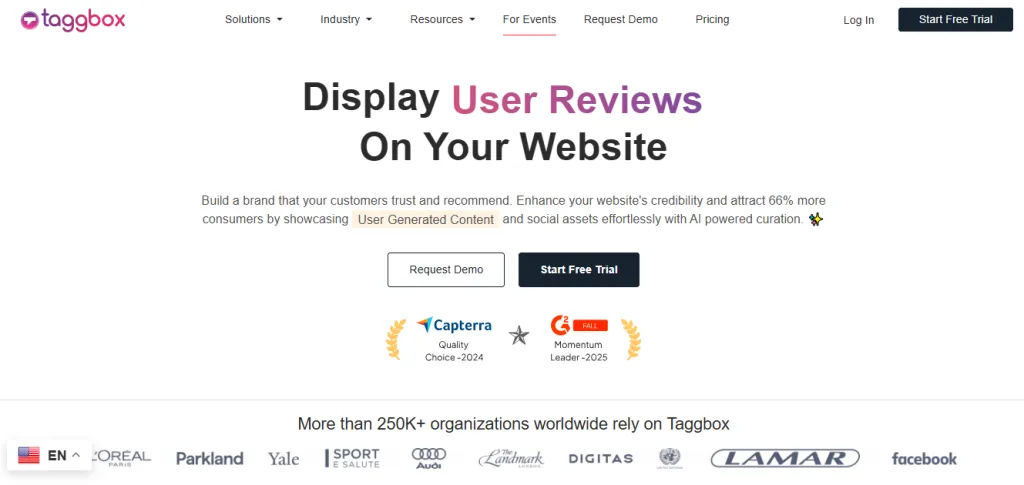
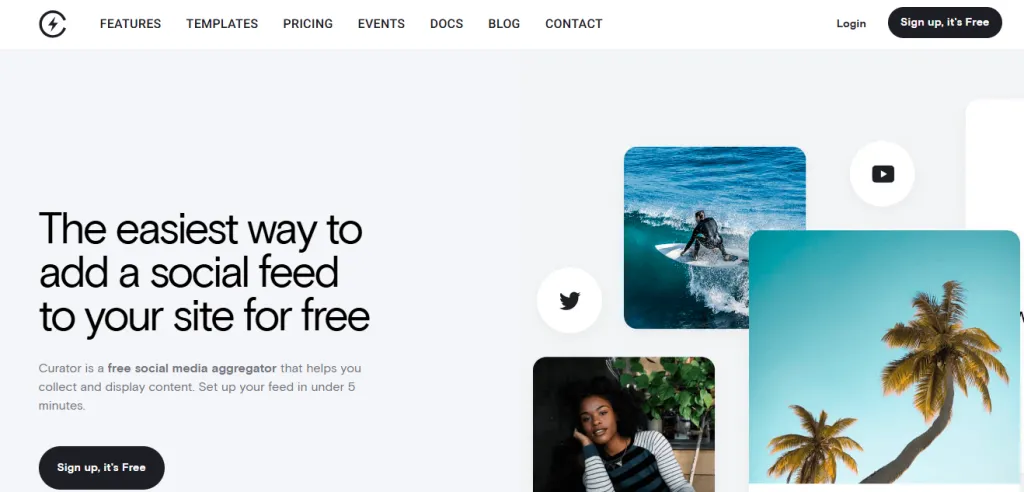
    Manually searching through hashtags is time-consuming. Instead, use platforms like Taggbox, Pixlee, or Later that automatically collect UGC from multiple social platforms such as Instagram, TikTok, YouTube, and Facebook.
    These UGC tools make it easy to filter, curate, and organize content for repurposing.

    C. Choose High-Quality, Relevant Posts

    Not every UGC post will match your brand’s aesthetic or message. Pick the ones that best represent your brand’s values, visual tone, and audience preferences.

    Step 2: Request Permission Before Sharing

    One of the biggest mistakes brands make is reposting content without permission. Always ensure you have the creator’s consent before sharing their work.

    Why Permission Matters

    • Protects your brand legally
    • Builds trust with your community
    • Encourages more users to share their content, knowing it will be respected

    How to Ask for Permission

    • Comment on the post:
      “Hi [Name]! We love your photo 😍 — may we share it on our social media (with credit to you)?”
    • Direct message (DM):
      Send a polite message outlining how and where you’ll use their content.
    • Use rights management tools:
      Tools like Taggbox have built-in permission request systems, making the process faster and ensuring compliance with legal requirements.

    Step 3: Give Proper Credit

    Crediting the original creator is non-negotiable. It not only gives recognition but also encourages others to participate.

    Here’s how to do it right:

    • Tag the creator in the caption and the photo/video
    • Mention them directly in Stories or Reels
    • Include their handle in your post description (e.g., “📸: @username”)

    This simple gesture builds goodwill and motivates others to create and share their own content featuring your brand.

    Step 4: Customize UGC for Each Platform

    Every social media platform has a different audience, content style, and engagement format. You need to tailor UGC to fit each one.

    1. Instagram

    • Share customer posts as feed content, Reels, or Stories
    • Use Instagram Highlights to keep UGC accessible long-term
    • Add branded templates or frames for a cohesive look

    2. TikTok

    • Repost customer videos or duet them
    • Feature creative customer challenges or UGC reviews
    • Keep content authentic, avoid over-editing user videos

    3. Facebook

    • Share customer reviews, photos, or testimonials on your page
    • Create UGC-based ad campaigns to boost engagement
    • Highlight user stories in Facebook Groups or Events

    4. LinkedIn

    • Showcase B2B success stories or customer testimonials
    • Use employee-generated content (EGC) to humanize your brand
    • Add captions highlighting professional results or achievements

    5. X (Twitter)

    • Retweet customer mentions or reviews
    • Use quote tweets to add your brand’s response or gratitude
    • Keep it conversational and authentic

    By customizing UGC for each platform, you maintain relevance while amplifying your brand voice.

    Step 5: Maintain Brand Consistency

    UGC is raw and real, but your social feed should still look cohesive.

    Tips to Stay Consistent:

    • Use a consistent color palette and visual theme
    • Add branded overlays, filters, or frames to unify posts
    • Maintain tone consistency, whether it’s fun, minimal, or elegant
    • Write captions in your brand’s voice, even when reposting others’ content

    Platforms like Taggbox Studio or Canva let you brand UGC templates while keeping authenticity intact.

    Step 6: Engage with Creators

    Your job doesn’t end after posting. Engagement is what keeps your community alive.

    Ways to Engage:

    • Thank creators publicly in comments or Stories
    • Reply to their posts and share appreciation
    • Feature “Creator of the Month” or “Customer Spotlight” campaigns
    • Send discount codes or small rewards for contributors

    This interaction turns your customers into long-term brand advocates.

    Best Practices for Sharing UGC on Social Media

    Once you’ve mastered the basics, follow these best practices to maximize results:

    1. Use Branded Hashtags

    Encourage users to tag your unique hashtag when sharing content. This not only boosts discoverability but also helps you track all UGC in one place.

    2. Keep a UGC Approval Workflow

    Establish an internal review process. Have your marketing or legal team approve content before posting, especially for paid or ad use.

    3. Track UGC Performance

    Use analytics to monitor:

    • Engagement rate (likes, comments, shares)
    • Reach and impressions
    • Conversions or website traffic from UGC posts

    Taggbox’s analytics dashboard helps track UGC performance and identify top-performing content.

    4. Repurpose UGC Across Channels

    Don’t limit UGC to social media. You can also:

    • Embed UGC galleries on your website
    • Add UGC to product pages for social proof
    • Use UGC in email campaigns
    • Display live social walls at events or digital signages

    5. Avoid Over-Editing

    Keep UGC as authentic as possible. Over-filtering or heavy edits can make it lose credibility.

    How Tools Like Taggbox Simplify UGC Sharing

    While manual collection and posting work for small brands, scaling UGC across multiple social platforms can be overwhelming. That’s where Taggbox comes in.

    Key Features of Taggbox for UGC Sharing:

    1. Collects UGC from Multiple Platforms:
      Automatically aggregates content from Instagram, TikTok, YouTube, Facebook, and more.
    2. Rights Management:
      Request and manage content usage permissions directly within the platform.
    3. Curation & Moderation:
      Filter out irrelevant or inappropriate posts with advanced UGC moderation tools.
    4. Direct Publishing:
      Share UGC directly on your social media or display it on websites, digital screens, and eCommerce pages.
    5. Analytics & Insights:
      Track how UGC performs across platforms and identify the content that drives engagement and conversions.

    Why It Matters:
    For brands managing large social presences, Taggbox saves hours of manual work while ensuring compliance, consistency, and creativity.

    Real Brand Examples of UGC in Action

    1. Starbucks

    Starbucks frequently reposts customer photos using #Starbucks or seasonal hashtags like #RedCupSeason. It keeps their feed community-driven and festive.

    2. GoPro

    GoPro’s entire marketing strategy is built on UGC. They feature videos and photos captured by customers using their cameras, turning everyday users into brand storytellers.

    3. Airbnb

    Airbnb reposts traveler photos and experiences, showcasing authentic stories that inspire others to book their next stay.

    Each of these brands uses UGC not as filler content, but as a strategic tool to build trust and authenticity.

    Common Mistakes to Avoid When Sharing UGC

    Even experienced marketers make errors that can hurt their UGC campaigns. Here’s what to watch out for:

    • ❌ Sharing without permission
    • ❌ Ignoring credit to creators
    • ❌ Posting low-quality or off-brand content
    • ❌ Over-branding or editing UGC
    • ❌ Neglecting engagement after reposting

    Being mindful of these ensures your UGC strategy remains ethical and effective.

    Measuring the Success of Your UGC Strategy

    A successful UGC strategy is measurable. Use these key metrics to gauge impact:

    • Engagement Rate: Likes, comments, shares, saves
    • Follower Growth: New followers gained from UGC campaigns
    • Website Traffic: Clicks from UGC-based posts or embeds
    • Conversion Rate: Purchases influenced by UGC
    • Sentiment Analysis: Monitor audience reactions and tone

    Regularly analyze these metrics to refine your strategy and identify what resonates best.

    Conclusion

    User-Generated Content is more than a marketing trend; it’s the foundation of community-driven growth. Sharing UGC on social media allows brands to showcase authenticity, strengthen relationships, and inspire action through real customer experiences.

    By following the proper steps, collecting UGC, getting permission, crediting creators, customizing for each platform, and tracking results, you can turn your audience into your most powerful marketing team.

    And with platforms like Taggbox, managing, curating, and sharing UGC becomes seamless and scalable.

    So if you’re ready to amplify your brand’s social presence, it’s time to start sharing UGC the right way, with authenticity, creativity, and community at its core.

  • Top 10 Taggbox Alternatives to Enhance Your Social Media Feed in 2025

    Top 10 Taggbox Alternatives to Enhance Your Social Media Feed in 2025

    Social media has become a crucial part of any brand’s marketing strategy. Tools like Taggbox allow brands to collect and display social media feeds, user-generated content (UGC), and reviews directly on their websites. However, sometimes brands need alternatives due to pricing, limited features, or specific requirements. In this article, we’ll explore the top 10 Taggbox alternatives that can help you boost engagement and showcase social proof in 2025.

    Key Features to Look for in Taggbox Alternatives

    Before diving into alternatives, it’s essential to know what makes a good social media aggregator:

    • Multi-platform social feed aggregation: Ability to collect content from Instagram, Facebook, Twitter, TikTok, and YouTube.
    • Customization & branding options: Tailor the look and feel of feeds to match your brand.
    • UGC collection & moderation: Gather content from your audience and moderate it before publishing.
    • Analytics & reporting: Track engagement, impressions, and user interactions.
    • Website & eCommerce integration: Easy embedding on websites, landing pages, or Shopify stores.

    Top 10 Taggbox Alternatives

    Here’s a list of the best tools you can consider as Taggbox alternatives:

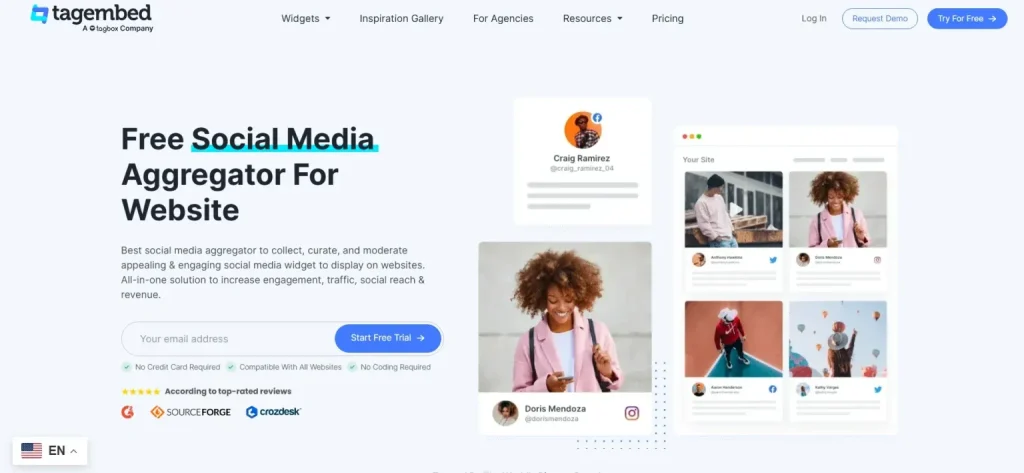
    1. Tagembed

    Taggbox Alternatives  - Tagembed

    Tagembed is a powerful social media aggregator and UGC platform. It enables brands to collect social media content and display it on their websites, in UGC campaigns, or at events.

    • Key Features: Multiple social networks support, live feed updates, analytics, moderation tools, and customizable widgets.
    • Pricing: Free and paid plans starting from $19/month.
    • Pros: Easy to use, budget-friendly, and responsive support.
    • Cons: Some advanced features are available only in higher-tier plans.

    2. SociableKIT

    Taggbox Alternatives  - SociableKIT

    SociableKIT enables you to embed social media feeds, including Instagram, Facebook, LinkedIn, YouTube, and Twitter, directly into websites or landing pages.

    • Key Features: Social feed aggregation, customizable layouts, responsive widgets, and analytics.
    • Pricing: Paid plans starting at $29/month.
    • Pros: Ideal for businesses seeking a range of social media integrations.
    • Cons: Limited free plan options.

    3. EmbedSocial

    Taggbox Alternatives  - Embedsocial

    EmbedSocial helps businesses collect UGC reviews, social feeds, and UGC to display on websites and eCommerce stores.

    • Key Features: Social media aggregation, review collection, website widgets, and analytics dashboards.
    • Pricing: Starting at $49/month.
    • Pros: Excellent review collection and display options.
    • Cons: Slightly expensive for small businesses.

    4. Juicer

    Taggbox Alternatives  - Juicer.io

    Juicer allows brands to curate social media feeds in real-time and embed them anywhere online.

    • Key Features: Automatic updates, moderation, support for multiple social networks, and customization.
    • Pricing: A free basic plan is available; paid plans start at $19/month.
    • Pros: Easy integration and clean, modern feed designs.
    • Cons: Free plan includes Juicer branding.

    5. Walls.io

    Taggbox Alternatives  - Walls.io

    Walls.io is a social wall platform ideal for events, campaigns, and live social media aggregation.

    • Key Features: Multi-platform feeds, content moderation, live display, and analytics.
    • Pricing: Paid plans start at $29/month.
    • Pros: Perfect for event-based or campaign-focused brands.
    • Cons: Can be overkill for small websites.

    6. TaggStar

    Taggbox Alternatives  - Taggstar

    TaggStar focuses on UGC and product recommendations, helping eCommerce brands increase trust and conversions.

    • Key Features: User-generated content collection, product tagging, analytics, and integrations with eCommerce platforms.
    • Pricing: Custom pricing depending on business size.
    • Pros: Great for product-focused brands.
    • Cons: Primarily eCommerce-focused.

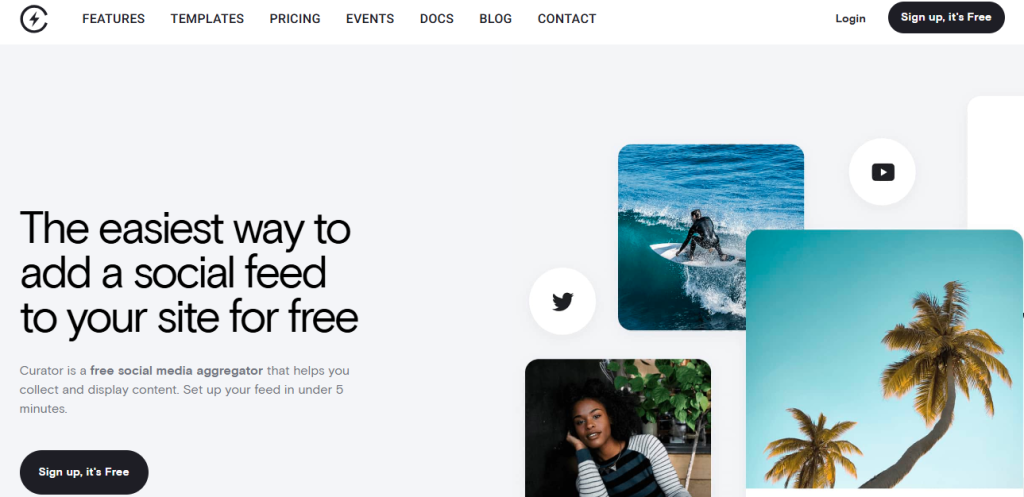
    7. Curator.io

    Taggbox Alternatives  - Curator.io

    Curator.io helps brands collect UGC and social media content to display on websites and marketing campaigns.

    • Key Features: Social feed aggregation, real-time updates, moderation, and responsive design.
    • Pricing: A free basic plan is available; paid plans start at $25/month.
    • Pros: Simple to use and flexible.
    • Cons: The Free plan has limited feeds.

    8. Flockler

    Taggbox Alternatives  - Flockler

    Flockler aggregates social media content and UGC for websites, providing analytics and moderation options.

    • Key Features: Multi-platform aggregation, UGC collection, analytics, and responsive embeds.
    • Pricing: Paid plans starting at $50/month.
    • Pros: Reliable, good analytics.
    • Cons: Pricier than some small business alternatives.

    Comparison Table of Taggbox Alternatives

    ToolPricing (from)Best ForFree Plan
    Tagembed$19/moSmall to mid-sized brandsYes
    SociableKIT$29/moMulti-platform integrationsNo
    EmbedSocial$49/moReviews & UGC collectionNo
    Juicer$19/moReal-time social feedsYes
    Walls.io$29/moEvents & campaignsNo
    TaggStarCustomeCommerce product UGCNo
    Curator.io$25/moSimple UGC aggregationYes
    Flockler$50/moAnalytics-focused brandsNo

    How to Choose the Right Taggbox Alternative

    • Business Size & Needs: Small businesses may prefer Tagembed or Juicer, while enterprises may benefit from TINT.
    • Integration Requirements: Make sure the tool works with your website or eCommerce platform.
    • UGC Moderation & Analytics: If collecting and moderating user content is important, choose a platform that provides advanced tools.
    • Budget: Evaluate pricing plans and consider free trials to find the best fit.

    Conclusion

    Taggbox is a great social media aggregator, but there are many alternatives that can offer better pricing, advanced features, or specialized functionalities. Whether you’re looking for a simple feed embed, UGC collection, or enterprise-grade analytics, one of these 10 Taggbox alternatives can help elevate your social media strategy in 2025.

  • 9 Best SociableKIT Alternatives to Try in 2025

    9 Best SociableKIT Alternatives to Try in 2025

    When it comes to embedding social media feeds, reviews, or events on your website, SociableKIT has long been a reliable solution. It helps brands and creators display live content from Instagram, YouTube, TikTok, Facebook, and LinkedIn in a clean, customizable way.

    But as your marketing goals evolve, you might start looking for SociableKIT alternatives that offer more flexibility, advanced features, or a better price-to-value ratio. Whether you want to display user-generated content (UGC), boost engagement, or enrich your website’s visual experience, there are plenty of options available.

    In this article, we’ve curated the 10 best SociableKIT alternatives in 2025, from easy-to-use widgets to enterprise-level UGC tools that help you make the most of your social content.


    Why Look for a SociableKIT Alternative?

    While SociableKIT is versatile and easy to use, it may not fit every use case. Here are a few reasons businesses explore other platforms:

    • Pricing: Some users find the plans restrictive when scaling up with multiple widgets or feeds.
    • Customization: Other tools allow more advanced branding options and widget styling.
    • Analytics: Many competitors offer in-depth performance metrics and engagement reports.
    • More Use Cases: Some platforms support UGC curation, shoppable galleries, and event displays, which SociableKIT doesn’t focus on.
    • Integration: Businesses using Shopify, WordPress, or digital signage often prefer tools with ready-made integrations.

    If you’re looking for something more feature-rich or tailored to your needs, the following SociableKIT alternatives are worth exploring.


    List of 9 SociableKIT Alternatives

    1. Tagembed

    tagembed

    Tagembed is one of the most trusted social media aggregator tools and an excellent alternative to SociableKIT. It helps brands collect, curate, and display social content or reviews across their digital touchpoints.

    Key Features:

    • Supports 20+ social networks including Instagram, TikTok, YouTube, and Pinterest.
    • Advanced moderation filters and spam control.
    • Real-time auto-updates for feeds.
    • Detailed analytics to track engagement.
    • Seamless integration with Shopify, WordPress, and Wix.

    Best For: Businesses seeking a feature-rich yet affordable solution to display authentic social content on their websites.


    2. Walls.io

    walls.io

    Walls.io is a powerful platform for creating real-time social walls and live content displays. It’s a popular choice among event organizers, corporations, and marketers who want to boost audience engagement.

    Key Features:

    • Aggregates content from 13+ social platforms.
    • Real-time content updates.
    • GDPR-compliant and privacy-friendly.
    • Customizable themes and layouts.

    Best For: Events, conferences, and digital signage setups that need dynamic, live social feeds.


    3. Taggbox

    taggbox

    Taggbox is one of the most advanced UGC and social content platforms, making it a strong alternative to SociableKIT for brands that want more than just embeds. It helps collect, curate, and display user-generated content to build trust and engagement.

    Key Features:

    • Collects posts from 15+ social networks.
    • Shoppable UGC galleries for eCommerce stores.
    • Rights management and UGC licensing.
    • Real-time social walls for events and signage.
    • Advanced analytics and performance tracking.

    Best For: Medium to large businesses that want to turn UGC into marketing assets and improve conversions.


    4. Juicer.io

    juicer.io

    Juicer.io offers a minimalist interface for aggregating and displaying social media feeds on websites. It’s perfect for smaller businesses and creators.

    Key Features:

    • Supports 15+ social media sources.
    • Simple setup with copy-paste embed codes.
    • Moderation and filtering options.
    • Affordable subscription plans.

    Best For: Bloggers and small brands looking for an easy-to-use and low-cost feed solution.


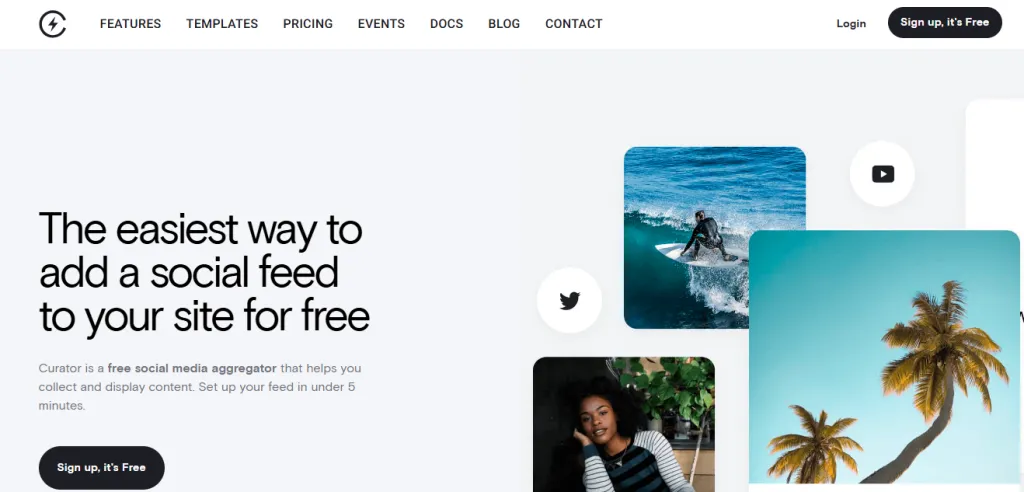
    5. Curator.io

    curator

    Curator.io is a lightweight and flexible social feed aggregator with both free and paid options. It’s known for fast performance and easy embedding.

    Key Features:

    • Quick setup with copy-paste embed code.
    • Free plan available (with branding).
    • Moderation and auto-update filters.
    • Works with HTML, Squarespace, and Shopify.

    Best For: Small businesses or nonprofits looking for a simple yet professional way to display social feeds.


    6. Smash Balloon

    If your website runs on WordPress, Smash Balloon is the ideal plugin-based alternative. It offers individual plugins for popular networks like Instagram, Facebook, and YouTube.

    Key Features:

    • SEO-friendly and lightweight WordPress plugins.
    • Highly customizable feed layouts.
    • Fast loading and responsive designs.
    • Supports multiple social accounts.

    Best For: WordPress users wanting a plugin solution tailored for performance and simplicity.


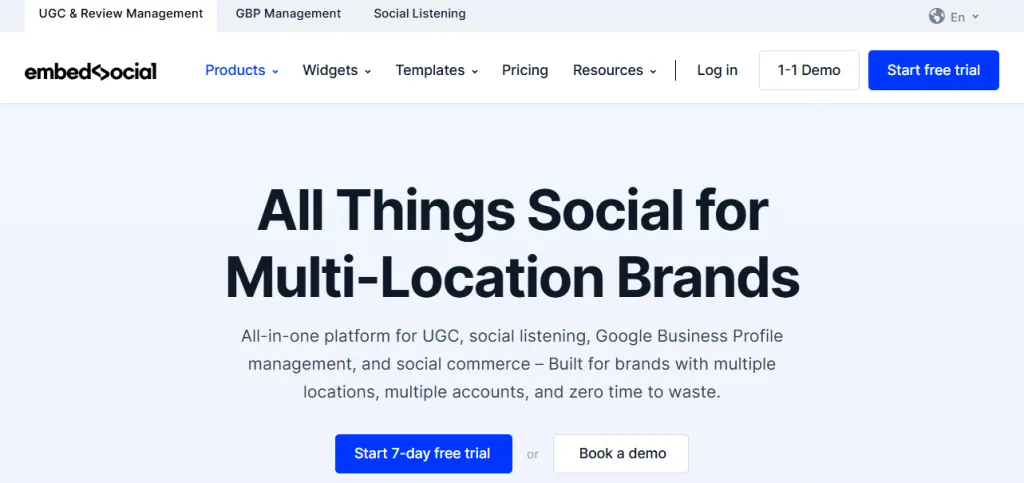
    7. EmbedSocial

    EmbedSocial is a multi-purpose tool that goes beyond just social feeds. It helps brands collect and display social proof, reviews, and UGC across various digital channels.

    Key Features:

    • Aggregates content from Instagram, TikTok, and Facebook.
    • Google and Yelp review widgets.
    • Pre-built templates and themes.
    • Shoppable gallery support for eCommerce.

    Best For: Retailers and eCommerce businesses aiming to combine reviews and UGC into one seamless display.


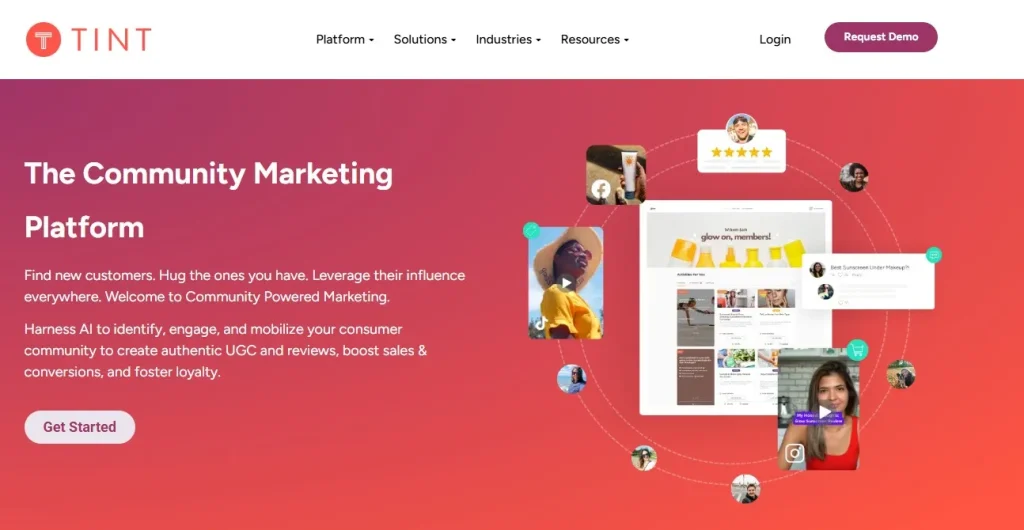
    8. TINT

    TINT is an enterprise-grade UGC marketing platform trusted by global brands. It focuses on curating, licensing, and distributing content across multiple channels.

    Key Features:

    • Collects and manages UGC across all major networks.
    • Built-in rights management and compliance.
    • Detailed engagement analytics.
    • Integration with email marketing and advertising.

    Best For: Large brands and agencies managing complex, multi-channel marketing campaigns.


    9. Flockler

    flockler

    Flockler is one of the most established social content aggregation tools. It enables you to collect, curate, and showcase social media posts anywhere your audience is.

    Key Features:

    • Collects from Instagram, YouTube, and LinkedIn.
    • Supports websites, digital screens, and apps.
    • Moderation and design customization.
    • Strong analytics dashboard.

    Best For: Marketers who want a reliable tool for consistent social content curation.


    How to Choose the Right SociableKIT Alternative?

    When evaluating which alternative is right for your business, consider:

    1. Purpose – Are you embedding feeds, creating UGC campaigns, or powering event screens?
    2. Supported Platforms – Check whether the tool supports all your active social networks.
    3. Ease of Use – Some tools offer drag-and-drop interfaces, while others need minor coding.
    4. Customization – Ensure it fits your website design and brand style.
    5. Budget & Scalability – Choose a plan that aligns with your marketing growth.

    A great SociableKIT alternative will save time, reduce maintenance, and make your social content strategy more engaging.


    Final Thoughts

    While SociableKIT is a trusted social media widget tool, it might not always provide the flexibility or features every business needs. Fortunately, the market is full of platforms that offer more customization, better analytics, and advanced integrations for UGC and social content.

    Whether you’re a small creator looking for simplicity or a global brand running multi-channel campaigns, these SociableKIT alternatives give you the freedom to design, analyze, and scale your social presence the way you want. By choosing the right platform, you can transform social content into a meaningful, results-driven part of your digital strategy.

  • 10 Best Flockler Alternatives to Explore in 2025

    10 Best Flockler Alternatives to Explore in 2025

    Flockler is a well-known platform for displaying social media feeds and user-generated content (UGC) on websites, apps, and event screens. It helps brands collect posts from Instagram, TikTok, YouTube, Facebook, and X (Twitter) to build engaging content displays. However, Flockler isn’t always the right fit for every business. Some find it expensive, while others need more customization, advanced analytics, or features like shoppable galleries and review integration. That’s why many marketers are now exploring Flockler alternatives. In this blog, we’ll highlight the top 10 alternatives in 2025 to help you pick the best tool for your needs.

    Why Do You Need a Flockler Alternative?

    Here are some of the main reasons businesses look for alternatives to Flockler:

    • Pricing: Flockler can be costly for small businesses or startups compared to other affordable options.
    • Limited Features: It mainly focuses on social media aggregation, while alternatives offer extras like UGC rights management, shoppable galleries, reviews integration, or deeper analytics.
    • Customization Needs: Some tools allow more control over branding, layouts, and design for a personalized look.
    • Event & E-commerce Focus: Businesses hosting live events or running online stores often need advanced features like social walls, real-time updates, or shoppable UGC feeds.
    • Ease of Use: Competitors may offer more intuitive dashboards, drag-and-drop tools, or pre-made templates for faster setup.
    • Scalability: Enterprises need platforms that can handle large campaigns and global audiences, which some Flockler competitors do better.

    Flockler Alternatives to Try:

    1. Tagembed

    tagembed

    Tagembed is one of the most affordable and powerful Flockler alternatives. It helps businesses collect, curate, and display social media feeds, reviews, and UGC galleries with ease.

    Key Features:

    • Works with 20+ platforms (Instagram, TikTok, LinkedIn, YouTube, Facebook, and more).
    • Customizable widgets with layouts and themes.
    • Advanced moderation and spam filters.
    • Analytics to track engagement.
    • Integrates with Shopify, WordPress, Wix, and Squarespace.

    Best For: Small to mid-sized businesses looking for a budget-friendly and feature-rich option.


    2. Taggbox

    taggbox

    Taggbox is a leading UGC marketing platform that allows brands to collect customer content and use it across marketing channels.

    Key Features:

    • Aggregates from 15+ platforms.
    • Rights management for UGC.
    • Shoppable galleries for eCommerce.
    • Event and signage support.
    • Built-in analytics and reporting.

    Best For: Enterprises and agencies that need advanced UGC marketing capabilities.


    3. Walls.io

    walls.io

    Walls.io is popular among event organizers and marketers for creating interactive displays and embedding feeds on websites.

    Key Features:

    • Works with 13+ platforms.
    • Real-time auto-updates.
    • GDPR-friendly.
    • Branding and customization options.

    Best For: Marketers who want a plug-and-play solution for events and websites.


    4. Juicer.io

    juicer

    Juicer.io is known for its simplicity and affordability, making it a great Flockler alternative for small teams.

    Key Features:

    • Aggregates content from 15+ sources.
    • Basic moderation and filtering.
    • Easy embed code for websites.
    • Budget-friendly plans.

    Best For: Startups and nonprofits needing a low-cost solution.


    5. Curator.io

    curator

    Curator.io is lightweight and easy to use, great for embedding social media feeds on websites quickly.

    Key Features:

    • Copy-paste embed code.
    • Free plan available (with branding).
    • Moderation filters.
    • Simple customization.

    Best For: Bloggers, nonprofits, and small businesses with tight budgets.


    6. Smash Balloon

    smash balloon

    If your website is on WordPress, Smash Balloon is a plugin-based solution that integrates seamlessly with WP sites.

    Key Features:

    • Plugins for Instagram, Facebook, Twitter/X, and YouTube.
    • SEO-optimized embeds.
    • Responsive and lightweight.
    • Customization for WP themes.

    Best For: WordPress users who want a native integration.


    7. TINT

    TINT is an enterprise-focused platform that turns UGC into marketing assets across ads, websites, and offline campaigns.

    Key Features:

    • Rights management and compliance tools.
    • Campaign performance analytics.
    • Shoppable UGC galleries.
    • Omnichannel UGC distribution (ads, emails, websites).

    Best For: Global brands and agencies running large-scale campaigns.


    8. EmbedSocial

    EmbedSocial is a versatile tool that combines social media feeds, reviews, and shoppable UGC galleries in one place.

    Key Features:

    • Social feed widgets for Instagram, TikTok, Facebook.
    • Google reviews integration.
    • Pre-made widget templates.
    • E-commerce integrations.

    Best For: eCommerce brands wanting to combine reviews + UGC.


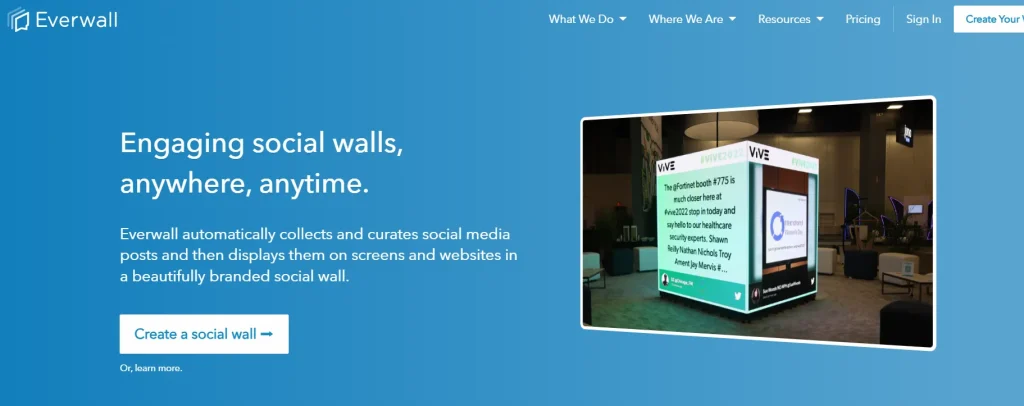
    9. Everwall

    Everwall

    Everwall is known for real-time aggregation at scale, making it ideal for events and high-traffic campaigns.

    Key Features:

    • Instant updates.
    • Strong moderation controls.
    • API support for developers.
    • Built to handle high volumes.

    Best For: Large events and enterprise campaigns.


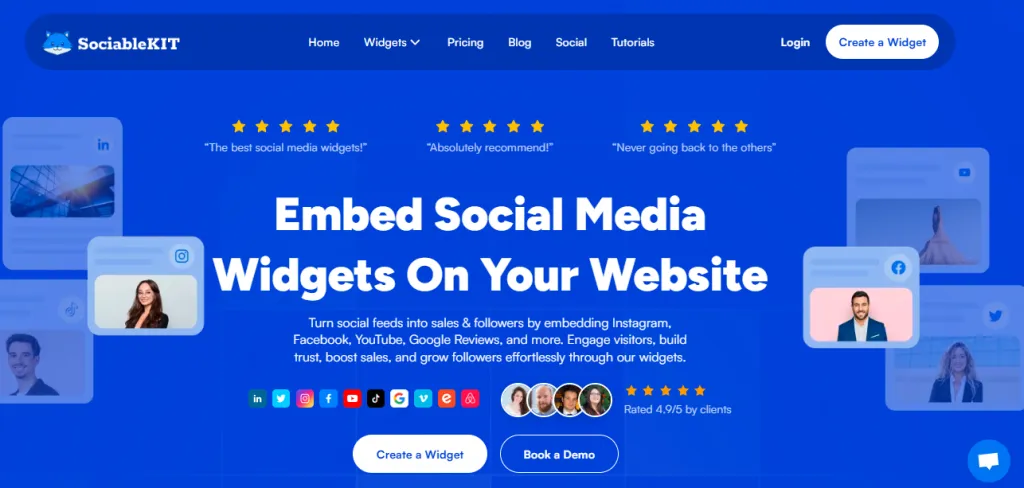
    10. SociableKIT

    SociableKIT

    SociableKIT offers more than just UGC—it provides 70+ widgets, including LinkedIn events, YouTube playlists, and more.

    Key Features:

    • Wide widget variety.
    • Affordable pricing.
    • Works with multiple CMS platforms.
    • Flexible customization.

    Best For: Businesses needing social + business widgets, not just UGC tools.


    Final Words

    While Flockler is a capable platform, it may not be the perfect fit for every business. Depending on your goals, you might need a solution that offers more affordable pricing, deeper customization, advanced features, or stronger scalability.

    The good news is that there are plenty of alternatives available today—whether you want to boost audience engagement, showcase user-generated content, or enhance your marketing campaigns. By choosing the right platform, you can create more impactful experiences and get greater value from your social content.

  • Top 8 Crowdriff Alternatives in 2025

    Top 8 Crowdriff Alternatives in 2025

    In the realm of digital marketing, particularly within the travel and tourism sectors, CrowdRiff has established itself as a prominent platform for leveraging user-generated content (UGC) to enhance brand engagement. However, as businesses evolve, their needs also evolve. Factors such as budget constraints, specific feature requirements, and the desire for more versatile solutions have led many to explore alternatives. This guide explores the top CrowdRiff alternatives available in 2025, providing insights into their key features, benefits, and ideal use cases.

    List of Top 8 Crowdriff Alternatives:

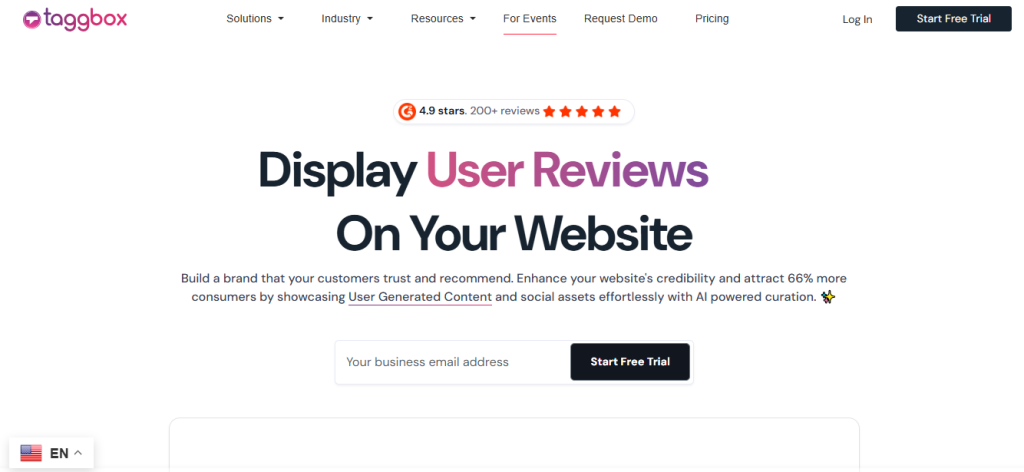
    1. Taggbox

    Crowdriff Alternative - Taggbox
    • Overview: Taggbox is a versatile UGC platform that caters to a wide array of industries, not just travel.
    • Key Features:
      • Aggregation of content from over 15 social media platforms.
      • AI-powered moderation tools.
      • Shoppable galleries to boost e-commerce conversions.
      • Cross-channel display capabilities, including web, email, and events.
    • Ideal For: Brands seeking a comprehensive UGC solution with advanced features.

    2. SnapSea

    Crowdriff Alternative - Snapsea
    • Overview: SnapSea is a visual marketing platform tailored for travel and tourism brands.
    • Key Features:
    • Ideal for: Travel marketers seeking to leverage authentic user-generated content.

    3. Emplifi

    Crowdriff Alternative - Emplifi
    • Overview: Pixlee by Emplifi empowers brands to cultivate ambassador communities and discover emerging influencers.
    • Key Features:
      • UGC collection and curation tools.
      • Integration with e-commerce platforms.
    • Ideal For: Brands seeking to build strong community engagement through UGC.

    4. Yotpo

    Crowdriff Alternative - Yotpo
    • Overview: Yotpo is a platform focusing on user reviews, visual marketing, and loyalty programs.
    • Key Features:
      • UGC collection and display.
      • Integration with e-commerce platforms.
    • Ideal For: E-commerce brands looking to enhance customer trust and engagement.

    5. Bazaarvoice

    Crowdriff Alternative - Bazaarvoice
    • Overview: Bazaarvoice provides tools for collecting and displaying user reviews and ratings.
    • Key Features:
      • UGC collection and syndication.
      • Analytics and reporting tools.
    • Ideal For: Brands aiming to leverage customer feedback for marketing.

    6. Flowbox

    Crowdriff Alternative - Flowbox
    • Overview: Flowbox is a platform for collecting, curating, and displaying UGC across various channels.
    • Key Features:
      • Content moderation and analytics.
      • Integration with e-commerce platforms.
    • Ideal for: Brands seeking to elevate their marketing with authentic user-generated content.

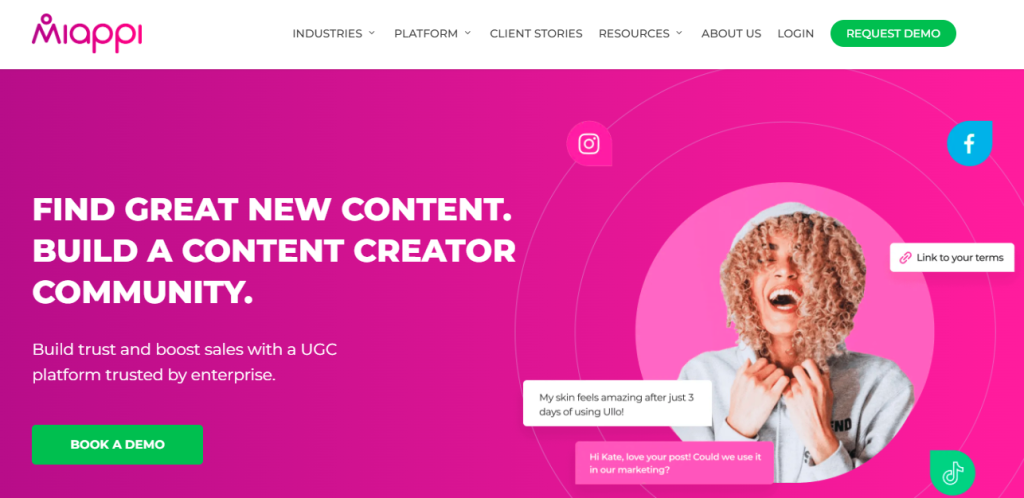
    7. Miappi

    Crowdriff Alternative - Miappi
    • Overview: Miappi helps consumer brands increase customer engagement through UGC.
    • Key Features:
      • Flexible pricing and high-quality content production.
      • Out-of-the-box platform for easy integration.
    • Ideal For: Brands seeking a straightforward UGC solution.

    8. Brandfolde

    Crowdriff Alternative - Brandfolder
    • Overview: Brandfolder is a digital asset management platform designed to organize and share brand assets.
    • Key Features:
      • Centralized storage for digital assets.
      • Collaboration tools for teams.
    • Ideal For: Brands needing a centralized hub for their digital assets.

    Comparison Table

    PlatformBest ForKey Features
    TaggboxComprehensive UGC solutionAI moderation, shoppable galleries
    SnapSeaTravel and tourism brandsAuthentic UGC acquisition and sharing
    PixleeCommunity engagement through UGCAmbassador communities, e-commerce integration
    YotpoE-commerce brandsReviews, visual marketing, loyalty programs
    BazaarvoiceCollecting and displaying reviewsUGC syndication, analytics
    FlowboxEnhancing marketing with UGCContent moderation, e-commerce integration
    MiappiStraightforward UGC solutionFlexible pricing, easy integration
    BrandfolderCentralized digital asset managementCollaboration tools, asset organization

    Conclusion

    Selecting the right CrowdRiff alternative depends on your specific needs, industry, and budget. Platforms like Taggbox offer a comprehensive suite of features suitable for various industries, while SnapSea and TINT cater specifically to the travel and tourism sectors. E-commerce brands might find Yotpo and Bazaarvoice more aligned with their objectives. It’s essential to evaluate each platform’s features, pricing, and integration capabilities to determine the best fit for your brand’s UGC strategy.

  • Why User-Generated Content (UGC) is the Future of Digital Marketing

    Why User-Generated Content (UGC) is the Future of Digital Marketing

    Digital marketing is evolving faster than one can ever imagine, and businesses are hunting for ways to shine brighter in this considerable online space. As per my knowledge and research, a very powerful tool is shaping the future of marketing, i.e., User-Generated Content (UGC). UGC stands on one pillar: illegitimacy or genuine experiences of a customer, contrary to traditional advertising, where brands would push messages toward their audience. This shift creates a huge impact, from establishing trust to brand loyalty. 

    Still, may it be ppc management services and Adwords management services, they shall always be important in any marketing scenario, as new pathways to humanize marketing campaigns and add value through genuine experiences are being made more accessible with UGC. Thus, in this article, I shall explain why UGC is becoming the backbone of the digital marketing journey, coupled with ways that brands can adequately implement it with paid search and ppc campaign management.

    The Rise of User-Generated Content in Marketing

    According to my research, UGC has blossomed with the increasing reliance on social media, review platforms, and digital communities. Modern-day consumers no longer make decisions based on a sleek brand campaign. Rather, they ask for real stories, honest reviews, and relatable experiences from fellow customers.

    When people give testimony about their experience through pictures, videos, or written statements, that testimony resonates louder than any scripted brand message. However, UGC is often perceived as more trustworthy because it originates from actual users and not marketers. Those brands that embrace UGC can gain in credibility and also forge meaningful engagement.

    Why UGC is More Effective than Traditional Advertising

    As per market research, UGC outperforms traditional digital advertising because it creates trust. While ppc marketing agencies and Google Ads companies design targeted campaigns, audiences often see these as promotional. UGC, however, feels organic and genuine.

    Here’s why UGC stands out:

    • Authenticity – People trust real experiences.
    • Engagement – UGC encourages participation and interaction.
    • Cost-effectiveness is another aspect by which consumers can rely less on costly ad campaigns.
    • Community building- Customers turn into their advocates and not simply buyers.

    When combined with ppc marketing services, the brands achieve maximum visibility and authenticity. For instance, UGC used in retargeting can make advertising campaigns very persuasive and relatable.

    UGC as a Trust-Building Tool

    Trust is the foundation of any successful brand. From my side, I’ve always felt UGC gain importance in building trust at scale-it is one of the biggest marketing benefits. When potential customers see their peers endorsing a product, a value is created in their minds. 

    A ppc management company can create highly optimized ads, but when UGC components such as testimonials or user videos are featured on ads, this will develop trust and increase conversion rates. For instance, Google Ads management services include UGC in their campaigns to increase click-through rates and facilitate brand credibility.

    How UGC Supports Paid Advertising Strategies

    This really helps because traditionally, UGC ends up becoming a great supplement to an existing strategy; Advertising and pay-per-click firms will attest to that. In the end, agencies selling pay-per-click services pretty much need to insist that their clients put in UGC: it’s really the best mix between authentic and targeted advertising. 

    For one, a paid search company will set up a search campaign with ads using UGC ad creatives. This combines the power of “words” from customers with the reach of paid advertising. Hence, by keeping their paid advertising locations in view, businesses also create a genuine engagement opportunity for themselves.

    UGC Drives Higher Engagement on Social Media

    According to my findings, UGC results in much higher engagement on social platforms than does branded content. People really enjoy sharing their experiences; when these sharing activities are pushed by brands, it produces a ripple effect. UGC shows more likes, shares, and comments, which results in organic growth of reach. 

    In addition, UGC will work well in remarketing campaigns with Google Ads services or paid search management. For instance, such campaigns become more fascinating or credible if they use reviews generated by clients of the products shown in the display ad.

    Leveraging UGC for SEO Benefits

    UGC holds importance in SEO as well. Market research states that search engines prioritize new, relevant, and diverse content. Whenever customers submit their reviews, comments, and testimonials, they serve as unique content and improve the SEO ranking.

    When paired with efforts from ppc advertising company, UGC builds a sustainable growth engine for brands. While PPC immediately gets the visibility, SEO based on UGC slowly builds organic traffic for the long term.

    Examples of Successful UGC Campaigns

    • The Coca-Cola venture of “Share a Coke” uses the bottles as a medium for advertising, with millions of free promotions born out of shared personalized bottles.
    • GoPro’s users upload adventure videos that GoPro shares as true-to-life product showcases. 
    • Airbnb guests share authentic stories and photos to make the listings more appealing.

    The examples serve to illustrate that UGC carries importance in building brand identity, also complementing the advantages offered by ppc management agency and Google Adwords management service.

    The Future of Digital Marketing Lies in UGC

    My research suggests that the future of digital marketing will be community-driven. UGC gives the much-needed authenticity to the modern-day audience, while ppc management companies offer a structure for selecting and fine-tuning campaigns. These brands merging both practices will certainly enjoy a competitive advantage. For instance, letting campaigns managed by AdWords management services showcase UGC or incorporating customer testimonials in ads run by a ppc management agency will convince prospects and increase conversions.

    Conclusion

    UGC is not just a simple trend but is the future of digital marketing, as per my study and research. It drives trust, engagement, SEO, and works hand-in-hand with paid marketing methods such as PPC campaign management, Google Ads management services, and Adwords management company services. If PPC provides precision and reach, UGC creates authenticity and connection. By bringing them both into the fold, companies create campaigns that don’t just sell but build loyalty. The future belongs to businesses that respect customers’ voices as much as they respect their advertising budgets.

  • Best 9 Juicer.io Alternatives to Try in 2025

    Best 9 Juicer.io Alternatives to Try in 2025

    Juicer.io is a popular social media aggregator that allows brands to embed social feeds on their websites. It’s known for its simplicity, affordable pricing, and ability to pull content from multiple social networks into a single feed.

    However, as businesses expand, many seek Juicer.io alternatives that provide advanced customization, deeper integrations, e-commerce capabilities, or more robust UGC (user-generated content) features.

    In this blog, we’ll explore the top Juicer.io alternatives in 2025, compare their features, pros, and cons, and help you decide which tool is the best fit for your brand.

    Why Consider Juicer.io Alternatives?

    While Juicer.io is a reliable entry-level tool, it has some limitations:

    • Limited customization: Branding and design options are basic.
    • Restricted integrations: Works for simple website embeds but lacks deeper eCommerce or event features.
    • Scalability challenges: Not ideal for large brands, enterprise campaigns, or real-time live events.
    • Missing advanced UGC features: No rights management, shoppable galleries, or advanced analytics.

    If you’re a small business, Juicer.io might work well. But if you’re scaling, running big campaigns, or focusing on social commerce, you’ll want to explore its alternatives.

    Key Features to Look for in a Juicer.io Alternative

    Before choosing the right platform, consider these factors:

    • Social Media SupportInstagram, TikTok, YouTube, X (Twitter), Facebook, LinkedIn, Pinterest, etc.
    • Website Integrations → Shopify, WordPress, Wix, Squarespace, Magento, WooCommerce.
    • Customization Options → Feed styling, branding, layout templates, and moderation controls.
    • Advanced Features → Shoppable galleries, UGC rights management, reviews integration, analytics.
    • Pricing & Scalability → Flexible plans for startups and enterprises.
    • Customer Support → 24/7 support, onboarding help, and documentation.

    Best Juicer.io Alternatives in 2025

    Here are the top alternatives to Juicer.io, along with their key features, pros, cons, and ideal use cases.

    1. Taggbox

    Juicer.io Alternatives - Taggbox

    Overview:
    Taggbox is a leading UGC and social media aggregation platform that goes far beyond simple feed embedding. It helps brands collect, curate, and showcase social media content across websites, events, and digital screens.

    Key Features:

    • Aggregates content from 20+ social platforms.
    • Advanced customization and moderation options.
    • Shoppable Instagram galleries for eCommerce.
    • Rights management for user-generated content.
    • Analytics and performance tracking.
    • Integrates with Shopify, Magento, WordPress, and more.

    Best for: Brands, marketers, and e-commerce businesses seeking a feature-rich, customizable solution.

    2. Walls.io

    Juicer.io Alternatives - Walls.io

    Overview:
    Walls.io is designed for real-time social walls and event displays. It aggregates content from multiple platforms and displays it in live environments, such as conferences, hybrid events, and digital signage.

    Key Features:

    • Real-time social wall for events and campaigns.
    • Support for all major social networks.
    • Custom branding and design templates.
    • Engagement features like polls and reactions.
    • Embedding options for websites and screens.

    Best for: Event organizers, hybrid conferences, and brands seeking interactive social walls.

    3. Curator.io

    Juicer.io Alternatives - Curator.io

    Overview:
    Curator.io is a lightweight and affordable social media aggregator. It’s easy to use, making it ideal for small businesses or bloggers who want a simple feed embedding solution.

    Key Features:

    • Drag-and-drop interface for feed setup.
    • Basic customization options.
    • Support for popular platforms like Instagram, Twitter, and Facebook.
    • Budget-friendly pricing plans.

    Best for: Small businesses and individuals seeking a cost-effective way to integrate social feeds.

    4. Flockler

    Juicer.io Alternatives - Flockler

    Overview:
    Flockler is a UGC platform tailored for enterprises. It allows brands to display customer content across websites, apps, and digital screens, offering powerful customization and moderation UGC tools.

    Key Features:

    • Collects content from all major social networks.
    • Custom layouts and complete design flexibility.
    • Rights management and GDPR compliance.
    • Shoppable galleries for eCommerce.
    • Embedding options for any CMS or eCommerce site.

    Best For: Large brands and enterprises looking for advanced content curation and compliance features.

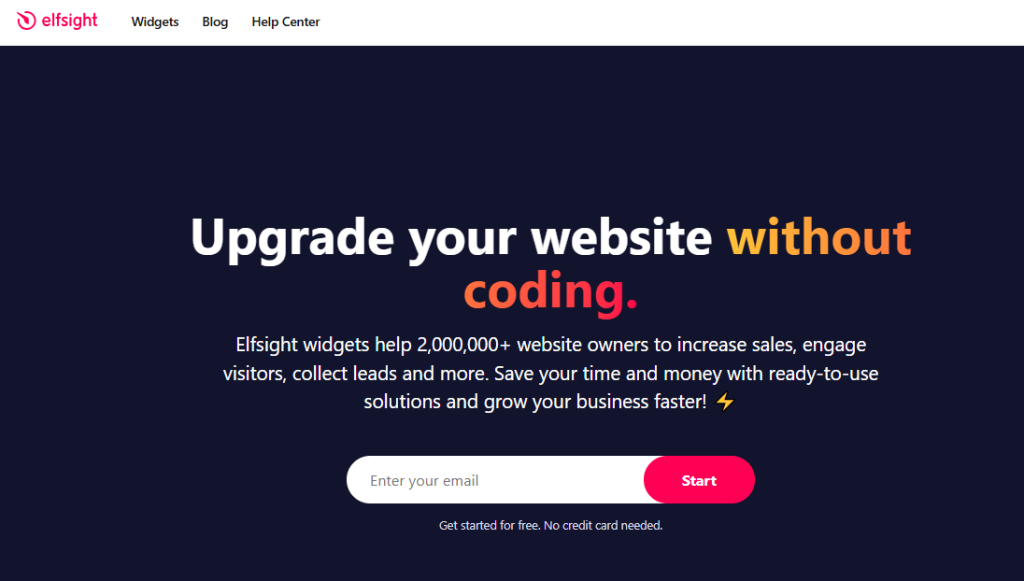
    5. Elfsight

    Juicer.io Alternatives - Elfsight

    Overview:
    Elfsight offers a wide range of website widgets, including social media feed widgets. It’s a no-code solution for businesses that want quick, plug-and-play integrations.

    Key Features:

    • 80+ website widgets, including Instagram and TikTok feeds.
    • Easy to install, no coding required.
    • Works with most CMS platforms like WordPress, Shopify, Wix, and Squarespace.
    • Affordable pricing.

    Best for: Businesses seeking quick social feed embedding with minimal setup.

    6. TrueLoyal

    Juicer.io Alternatives - TrueLoyal

    Overview:
    TrueLoyal is a powerful UGC marketing platform that helps brands source, curate, and showcase authentic content. Enterprises and agencies widely use it for campaigns.

    Key Features:

    • Aggregates UGC from multiple platforms.
    • Rights management for legal compliance.
    • Deep analytics and insights.
    • AI-driven content recommendations.
    • Advanced integrations with marketing tools.

    Best For: Enterprises and agencies running advanced UGC campaigns.

    7. Smash Balloon

    Juicer.io Alternatives - Smash Balloon

    Overview:
    Smash Balloon is a WordPress plugin suite that helps users embed social media feeds directly into WordPress websites.

    Key Features:

    • Instagram, Facebook, Twitter, and YouTube feed plugins.
    • Fully customizable designs.
    • Easy integration with WordPress themes.
    • Affordable one-time purchase option.

    Best For: WordPress website owners who need native social feed plugins.

    8. EmbedSocial

    Juicer.io Alternatives - Embedsocial

    Overview:
    EmbedSocial is a platform focused on social proof, helping brands display reviews, ratings, and social feeds on websites.

    Key Features:

    • Aggregates Instagram, TikTok, and Facebook feeds.
    • Shoppable Instagram galleries.
    • Google and Facebook reviews integration.
    • Social proof widgets.

    Best For: eCommerce brands looking to boost trust and conversions with social proof.

    9. SociableKIT

    Juicer.io Alternatives - SociableKIT

    Overview:
    SociableKIT provides custom website widgets for social media feeds and niche platforms.

    Key Features:

    • 50+ types of social media widgets.
    • Custom CSS for styling.
    • Wide platform coverage, including niche apps.
    • Affordable pricing.

    Best For: Businesses with niche widget needs or specific platform integrations.

    Comparison Table of Juicer.io Alternatives

    ToolBest ForKey FeaturesPricing Level
    TaggboxUGC, eCommerce, websitesShoppable feeds, rights mgmt, analyticsMid to Premium
    Walls.ioEvents & live campaignsReal-time walls, engagement toolsPremium
    Curator.ioSmall businesses/bloggersSimple, affordable feed embeddingLow
    FlocklerEnterprisesGDPR compliance, custom layoutsPremium
    ElfsightQuick website widgetsPlug-and-play, no-code widgetsLow
    TintEnterprises/agenciesRights mgmt, analytics, AIPremium
    Smash BalloonWordPress usersWP plugins, customizable feedsLow
    EmbedSocialeCommerce & social proofReviews, shoppable galleriesMid
    SociableKITNiche widgets50+ feed types, custom CSSLow

    Which Juicer.io Alternative Should You Choose?

    • For Events & Campaigns → Walls.io
    • For eCommerce & Conversions → Taggbox or EmbedSocial
    • For Enterprises → Tint or Flockler
    • For WordPress Sites → Smash Balloon
    • For Budget-Friendly Needs → Curator.io or SociableKIT
    • For Quick No-Code Embeds → Elfsight

    Conclusion

    Juicer.io is a solid choice for simple social media feed aggregation, but it may not meet the needs of growing businesses, enterprises, or event organizers. Luckily, there are several Juicer.io alternatives in 2025 that offer advanced features like shoppable galleries, UGC rights management, deeper integrations, and enterprise-grade customization.

    When choosing the right alternative, consider your business type, audience, and goals. Most of these platforms offer free trials or demos—so test them out and pick the one that best fits your needs.

  • 10 Yotpo Alternatives in 2025: Best Platforms for Reviews, UGC, and Loyalty

    10 Yotpo Alternatives in 2025: Best Platforms for Reviews, UGC, and Loyalty

    Yotpo is one of the most recognized platforms in the eCommerce world. It offers reviews, loyalty programs, SMS marketing, referrals, and user-generated content (UGC) features, all within a single ecosystem. For large enterprises with big budgets, it’s a powerful tool.

    But here’s the reality: not every brand needs Yotpo’s complexity or pricing model. Many small to mid-sized businesses struggle with their steep costs, feature overload, and customization limits. That’s why more brands are looking for Yotpo alternatives in 2025, tools that are easier to use, more affordable, and tailored to specific needs like UGC reviews, loyalty, or UGC.

    In this guide, we’ll explore why you may want to switch, what features to consider, and the top Yotpo alternatives in 2025, including newer, updated UGC platforms that are making waves in the e-commerce space.

    Why Brands Look for Yotpo Alternatives

    Yotpo is a leader in its category, but it’s not always the perfect fit. Here’s why many brands search for alternatives:

    1. High Costs for SMBs
      • Yotpo’s advanced plans can be expensive, especially for startups or small businesses.
    2. Too Many Features
      • Brands that need reviews or loyalty may feel they’re overpaying for features they’ll never use.
    3. Ease of Use
      • Some users report that Yotpo has a steep learning curve and a complex setup.
    4. Integration Gaps
      • While Yotpo supports Shopify, WooCommerce, and BigCommerce, specific competitors offer deeper or more affordable integrations.
    5. Customization & Support
      • Brands often look for tools with faster support, lightweight widgets, and design flexibility.

    Key Features to Look for in Yotpo Alternatives

    Before switching, identify which features matter most to your business:

    • Review Collection – Text, photo, and UGC Videos with verified tags.
    • UGC Collection & Display – Pull content from Instagram, TikTok, or YouTube.
    • Loyalty & Referrals – Reward customers with points, tiers, and referral bonuses.
    • Social Proof Tools – Shoppable galleries, review carousels, and social walls.
    • Integrations – With Shopify, WooCommerce, BigCommerce, Klaviyo, etc.
    • Pricing Transparency – Affordable tiers with no hidden costs.
    • Migration Support – Ability to import existing reviews and maintain SEO benefits.

    Best Yotpo Alternatives in 2025

    Here’s a fresh list of modern, updated Yotpo alternatives that are gaining traction in 2025.

    1. Taggbox

    Yotpo Alternatives - Taggbox

    Best for: User-generated content (UGC) and social proof

    Overview:
    Taggbox is a leading UGC and social content platform that helps brands collect, curate, and display authentic customer content. Unlike Yotpo, which tries to cover everything, Taggbox specializes in social proof and engagement—making it easier for brands to showcase real customer experiences across websites, eCommerce stores, and digital displays.

    Key Features:

    • Collect UGC from Instagram, TikTok, YouTube, and more.
    • Display shoppable galleries, carousels, and social walls.
    • Highlight customer reviews and testimonials.
    • Easy Shopify, WooCommerce, and Wix integrations.
    • Affordable plans for SMBs and mid-market brands.

    Why It’s a Yotpo Alternative:
    If you want to leverage UGC and social proof without overspending, Taggbox offers a more focused and affordable solution than Yotpo’s broad suite. It’s ideal for lifestyle, fashion, travel, and D2C brands that thrive on visual UGC content.

    2. Loyoly

    Yotpo Alternatives - Loyoly

    Best for: Unified reviews, loyalty, and UGC with social engagement

    Overview:
    Loyoly is a new-age platform that combines reviews, UGC, and loyalty into one tool. Its standout feature is rewarding customers for social missions, like posting on Instagram or sharing content on TikTok—helping brands boost engagement beyond their website.

    Key Features:

    • Review collection and display.
    • Loyalty and rewards program with gamification.
    • Rewards for user content on social media.
    • Strong Shopify Plus checkout extension.

    Why It’s a Yotpo Alternative:
    If you want both reviews and loyalty but with a modern, social-driven twist, Loyoly is an excellent Yotpo competitor in 2025.

    3. Stamped.io

    Yotpo Alternatives - Stamped.io

    Best for: Reviews + loyalty programs

    Overview:
    Stamped.io is a popular platform for collecting reviews and building loyalty programs, especially for Shopify brands. It’s easy to use, affordable, and less overwhelming than Yotpo.

    Key Features:

    • Collect UGC photo & videos.
    • Build loyalty programs and referrals.
    • Integrates with Shopify, BigCommerce, and WooCommerce.
    • Affordable for SMBs.

    Why It’s a Yotpo Alternative:
    If you need reviews and loyalty without enterprise-level pricing, Stamped.io is a balanced choice.

    4. Judge.me

    Yotpo Alternatives - Judge.me

    Best for: Cost-effective review collection

    Overview:
    Judge.me is one of the most budget-friendly review apps. It offers unlimited review requests, advanced SEO features, and customization at a fraction of the cost of Yotpo.

    Key Features:

    • Unlimited review requests (even on free plan).
    • Video and photo reviews.
    • Google Shopping and SEO-friendly features.
    • Shopify and WooCommerce integrations.

    Why It’s a Yotpo Alternative:
    Judge.me is ideal for startups or brands that require powerful review features without incurring significant costs.

    5. Fera.ai

    Yotpo Alternatives - fera.ai

    Best for: AI-powered review authenticity

    Overview:
    Fera.ai utilizes artificial intelligence to verify and moderate reviews in real-time, ensuring authenticity and quality. It’s a lightweight, user-friendly tool.

    Key Features:

    • AI-powered review moderation.
    • Verified buyer badges.
    • Customizable widgets.
    • Affordable pricing.

    Why It’s a Yotpo Alternative:
    If authenticity is a priority, Fera.ai ensures your reviews stay genuine and trustworthy.

    6. Loox

    Yotpo Alternatives - loox

    Best for: Visual reviews (photo & video)

    Overview:
    Loox is a Shopify-native review app focusing on visual social proof. It’s especially popular among lifestyle and fashion brands.

    Key Features:

    • Collect and display photo/video reviews.
    • Automated review requests.
    • Social sharing features.
    • Lightweight and fast setup.

    Why It’s a Yotpo Alternative:
    For brands where visuals drive sales, Loox is a simpler, more affordable option than Yotpo.

    7. Okendo

    Yotpo Alternatives - Okendo

    Best for: Detailed product reviews

    Overview:
    Okendo is designed for scaling D2C brands. It offers detailed product reviews with attributes like size, fit, and style—giving future buyers more context.

    Key Features:

    • Customizable review forms with attributes.
    • Q&A features.
    • Integrates with Shopify Plus and Klaviyo.
    • Designed for growth-focused brands.

    Why It’s a Yotpo Alternative:
    Okendo’s customization makes it stand out for mid-market and larger brands needing richer review data.

    8. Growave

    Yotpo Alternatives - Growave

    Best for: All-in-one bundle (reviews, loyalty, wishlists)

    Overview:
    Growave is a Shopify app that combines reviews, loyalty, referrals, and wishlists into a single tool. It’s lovely to small and mid-sized stores.

    Key Features:

    • Reviews and ratings.
    • Loyalty and referral programs.
    • Wishlists and gift cards.
    • Affordable bundled pricing.

    Why It’s a Yotpo Alternative:
    If you want multiple features without buying separate apps, Growave provides a budget-friendly package.

    9. Smile.io

    Yotpo Alternatives - Smile.io

    Best for: Loyalty & rewards programs

    Overview:
    Smile.io is one of the most widely used loyalty program platforms, offering points, VIP tiers, and referral incentives.

    Key Features:

    • Points-based loyalty system.
    • Referral programs.
    • VIP tiers.
    • Shopify and WooCommerce integrations.

    Why It’s a Yotpo Alternative:
    If loyalty is your top priority, Smile.io offers a powerful and cost-effective alternative to Yotpo’s loyalty suite.

    10. Bazaarvoice

    Yotpo Alternatives - Bazaarvoice

    Best for: Enterprises and retail syndication

    Overview:
    Bazaarvoice is an enterprise-grade review and UGC platform used by global brands. It focuses on review syndication across marketplaces like Walmart, Target, and Best Buy.

    Key Features:

    • Collect and syndicate reviews across platforms.
    • Enterprise-level analytics.
    • Strong credibility and trust factor.
    • Ideal for large retailers.

    Why It’s a Yotpo Alternative:
    For big brands needing marketplace syndication, Bazaarvoice is a strong competitor.

    Comparison Table

    ToolFocus AreaBest For
    TaggboxUGC + social proofSMBs, D2C brands
    LoyolyReviews + loyaltyShopify Plus brands
    Stamped.ioReviews + loyaltySMBs
    Judge.meAffordable reviewsStartups
    Fera.aiAI review toolsGrowing stores
    LooxVisual reviewsLifestyle brands
    OkendoCustom reviewsMid-market brands
    GrowaveAll-in-one suiteShopify SMBs
    Smile.ioLoyalty & referralsRetention-focused
    BazaarvoiceEnterprise UGCLarge enterprises

    How to Migrate from Yotpo

    Switching tools doesn’t have to be painful if you plan ahead:

    • Export Reviews & UGC: Make sure you export all reviews, images, and UGC from Yotpo.
    • Maintain SEO: Use structured data and rich snippets so you don’t lose Google stars.
    • Replicate Loyalty Programs: Map points, tiers, and referrals to the new platform.
    • Test Widgets: Ensure new review/UGC widgets don’t slow down your site.

    Conclusion

    Yotpo remains a powerful all-in-one platform, but it isn’t always the most affordable or flexible choice. In 2025, brands have more options than ever.

    • Taggbox leads the way for UGC and social proof.
    • Loyoly adds a fresh, social-driven approach to loyalty and reviews.
    • Judge.me and Stamped.io offer affordable and balanced review solutions.
    • Smile.io and Growave excel in loyalty and bundled features.
    • Bazaarvoice caters to enterprises.