Blog

  • Top 10 AI Video Ads Tools in 2026

    Video advertising has officially entered a new era. Traditional video production—filled with cameras, creators, editing teams, and long timelines—is no longer the fastest or most profitable path to scale. In 2026, brands are rapidly shifting to AI Video Ads tools to create high-converting ads in minutes instead of weeks.

    From ecommerce and SaaS to agencies and startups, AI-powered video platforms now handle everything from scripting and visuals to voiceovers and avatars. The result is faster testing, lower costs, and better performance across paid social platforms.

    AI Video Ads Tool

    1. Tagshop AI 
    AI Video Ads

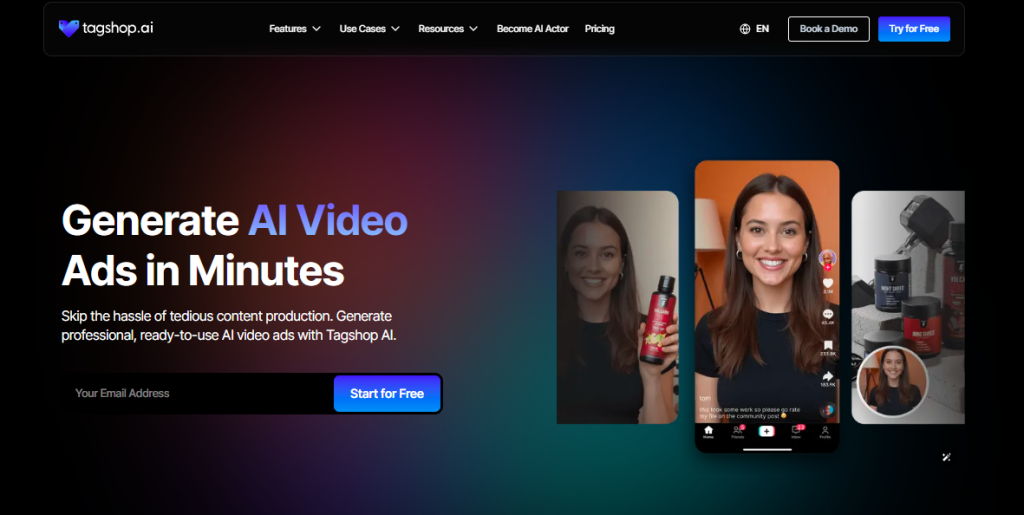
    Tagshop AI takes the top spot as the most advanced and performance-driven AI Video Ads tool available today. Unlike generic video generators, Tagshop is built specifically for creating high-converting UGC -style video ads without creators, studios, or expensive production.

    What makes Tagshop truly stand out is its ability to turn text, product images, or even a product URL into a complete, ready-to-run video ad in just minutes. It uses hyper-realistic AI creators that look and behave like real humans, complete with natural facial expressions, gestures, and human-like voiceovers. The result is authentic UGC-style content that blends perfectly into social feeds.

    Tagshop AI is especially powerful for ecommerce brands and agencies that need to test multiple creatives at scale. Instead of hiring multiple creators, brands can generate dozens of variations instantly and optimize based on performance data. With features like photo-to-video, text-to-video, and multi-language support, Tagshop has become the go-to solution for scalable AI Video Ads.

    Its affordable pricing starting at $21 per month makes it accessible for startups, while its enterprise-grade scalability makes it suitable for large ad teams as well. For brands serious about performance marketing, Tagshop AI is currently the most complete solution on the market.

    2. Synthesia

    Synthesia is one of the most well-known AI video platforms, especially in corporate and training environments. It specializes in creating videos using AI avatars that speak multiple languages. Users simply upload a script, choose an avatar, and generate a video within minutes.

    While Synthesia is excellent for internal training, presentations, and professional explainers, it is less focused on performance-driven UGC-style advertising compared to Tagshop. However, for brands looking to create polished brand videos or global communication content, it remains a strong choice in the AI Video Ads ecosystem.

    3. Pictory 

    Video ads maker

    Pictory is widely used for converting blogs, articles, and long-form content into short video ads. It automatically extracts highlights from text and turns them into visual clips with subtitles, music, and transitions.

    This makes Pictory useful for repurposing content into AI Video Ads for social media. However, it focuses more on slideshow-style video creation rather than realistic AI avatars, making it better suited for content marketers than high-performance ad teams.

    4. HeyGen 

    AI video ads creator

    HeyGen has gained popularity for its ability to create personalized AI avatar videos with voice cloning. It is often used for sales outreach, product explainers, and personalized marketing strategies.

    While HeyGen does support short-form video creation, it leans more toward one-to-one personalization rather than bulk UGC-style advertising. Still, it remains a powerful AI Video Ads tool for brands that want customized messaging at scale.

    5. InVideo AI 

    AI Video ads free

    InVideo AI is a widely used platform for template-based video creation powered by AI. Users can enter a prompt, and the platform automatically generates a full video using stock footage, transitions, and music.

    It’s a solid entry-level AI Video Ads tool for small businesses that want quick results without advanced customization. However, it lacks the deep UGC realism and AI creator capabilities that platforms like Tagshop offer.

    6. DeepBrain AI 

    DeepBrain AI focuses on realistic news-anchor-style avatars that can deliver scripted content naturally. It is frequently used in educational and informational advertising.

    While it performs well in presenter-based content, it is not optimized for fast-paced social UGC ads. Still, for brands that prefer a clean, studio-style presentation, it remains a valuable option in the AI Video Ads space.

    7. Colossyan 

    Video ad creator

    Colossyan is another avatar-based platform that specializes in creating learning and training videos. Its AI presenters are clean and professional, making it useful for SaaS onboarding, internal communication, and tutorials.

    Though not built specifically for UGC ad performance, Colossyan can still be used for softer AI Video Ads focused on education and feature explanations.

    8. Runway ML 

    Video ads maker

    Runway ML is known more as a creative AI lab than a direct ad-focused platform. It offers tools for video effects, background removal, motion tracking, and generative video editing.

    For brands with creative teams that want experimental visuals in their AI Video Ads, Runway provides powerful tools. However, it requires more manual input and is less turnkey than platforms like Tagshop or Synthesia.

    9. Lumen5 

    Lumen5 is a brand-focused video creation platform that transforms blog posts and brand messages into short marketing videos. It is often used by content teams to create social visuals with consistent branding.

    While it’s not designed specifically for UGC-style performance ads, it remains a useful AI Content creations tool for top-of-funnel storytelling and brand awareness campaigns.

    10. VEED AI 

    AI video ad

    VEED combines traditional video editing with AI-powered features like auto-subtitles, background removal, and voice generation. It’s widely used by creators and small brands that want quick edits without learning advanced software.

    As an AI Video Ads tool, VEED works well for editing and polishing content, though it doesn’t offer full AI avatar-based video generation like Tagshop.

    Why Tagshop AI Stands Above All Other AI Video Ads Tools

    While many tools on this list are powerful in their own way, Tagshop AI clearly leads when it comes to performance-focused AI Video Ads. It is the only platform on this list built from the ground up specifically for UGC-style advertising at scale.

    Unlike generic tools that focus on presentation or content repurposing, Tagshop AI is designed to drive conversions. From real human-like AI creators to automated script generation and bulk video creation, every feature is optimized for paid advertising. Its ability to produce dozens of high-quality variations in minutes gives marketers a competitive edge that traditional tools simply cannot match.

    The Future of AI Video Ads Tools

    As we move deeper into 2026 and beyond, the market for AI Video Ads tools will only continue to grow. Brands are demanding faster turnaround times, deeper personalization, and predictable performance. AI is no longer optional—it’s becoming the foundation of modern video advertising.

    We are already seeing the shift away from creator dependency toward AI-driven production models. Tools that combine realism, automation, and scalability—like Tagshop AI—will define the future of performance marketing.

    Final Thoughts

    The rise of AI Video Ads tools is one of the most important shifts in digital marketing history. These platforms are removing barriers that once made video advertising slow, expensive, and difficult to scale.

    Among the many tools available today, Tagshop AI stands firmly at the #1 position for brands that care about speed, scalability, realism, and conversions. Whether you’re a startup launching your first product or an agency managing dozens of campaigns, the right AI tool can completely transform how you create and scale video ads.

    Choosing the right platform today isn’t just about convenience—it’s about staying competitive in the future of advertising.
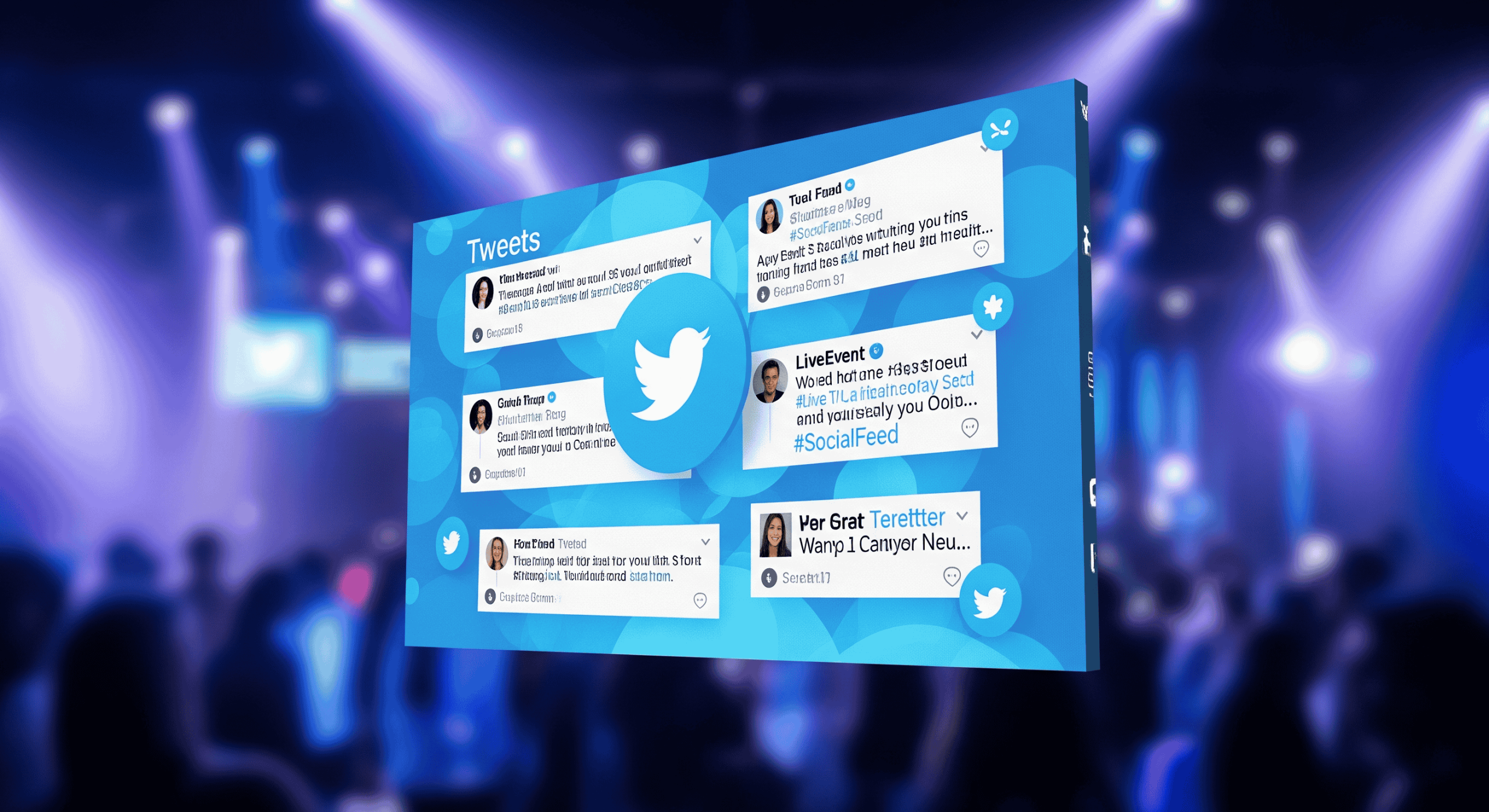
  • Live Twitter Wall – Display UGC from X/Twitter on Any Screen

    Live Twitter Wall – Display UGC from X/Twitter on Any Screen

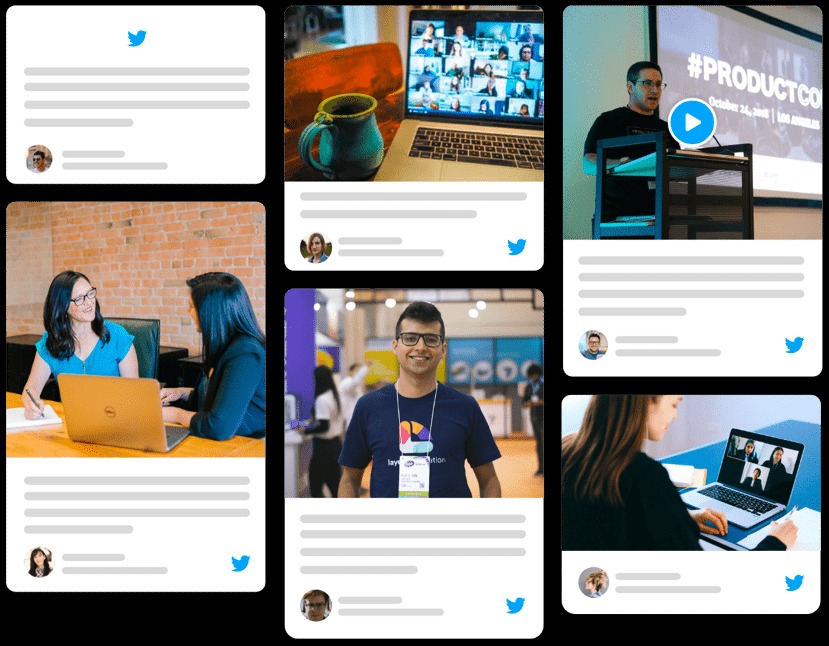
    If you’ve ever attended an event where the audience felt genuinely involved — not just watching but participating — chances are a live social feed had something to do with it. A Live X/Twitter Wall brings real conversations (UGC)from X/Twitter onto big screens, websites, and digital displays. It’s simple, visual, and has a strange ability to make people want to join the conversation.

    And the best part?
    You can set it up in minutes, explore everything with a 14-day free trial, and you don’t even need a credit card.

    What Exactly is X/Twitter Wall?

    twitter wall

    Think of it as a giant digital board that automatically pulls posts from X/Twitter based on the filters you choose — hashtags, mentions, handles, keywords, or even curated lists.

    Instead of someone manually showing screenshots or refreshing feeds, the twitter wall updates on its own. Every new post with your event hashtag, brand mention, or campaign keyword appears instantly.

    Here’s why it matters:

    • Interactive Experience: Instead of a static display or presentation, attendees or website visitors see real-time posts from participants, fans, or customers, making them feel included.
    • Amplified Brand Presence: Displaying curated posts from users increases social proof, helping your brand appear credible, popular, and relevant.
    • Content Aggregation Made Easy: Instead of manually scrolling through feeds, the Twitter Wall automatically collects relevant content based on your chosen hashtags, mentions, or handles.

    For example, imagine hosting a product launch: every tweet post tagged with your campaign hashtag appears instantly on your event screens, creating excitement and encouraging more attendees to participate.

    How You Actually Create X/Twitter Wall (Step-by-Step)

    Setting up a wall is far easier than it sounds, and here is how the process usually works:

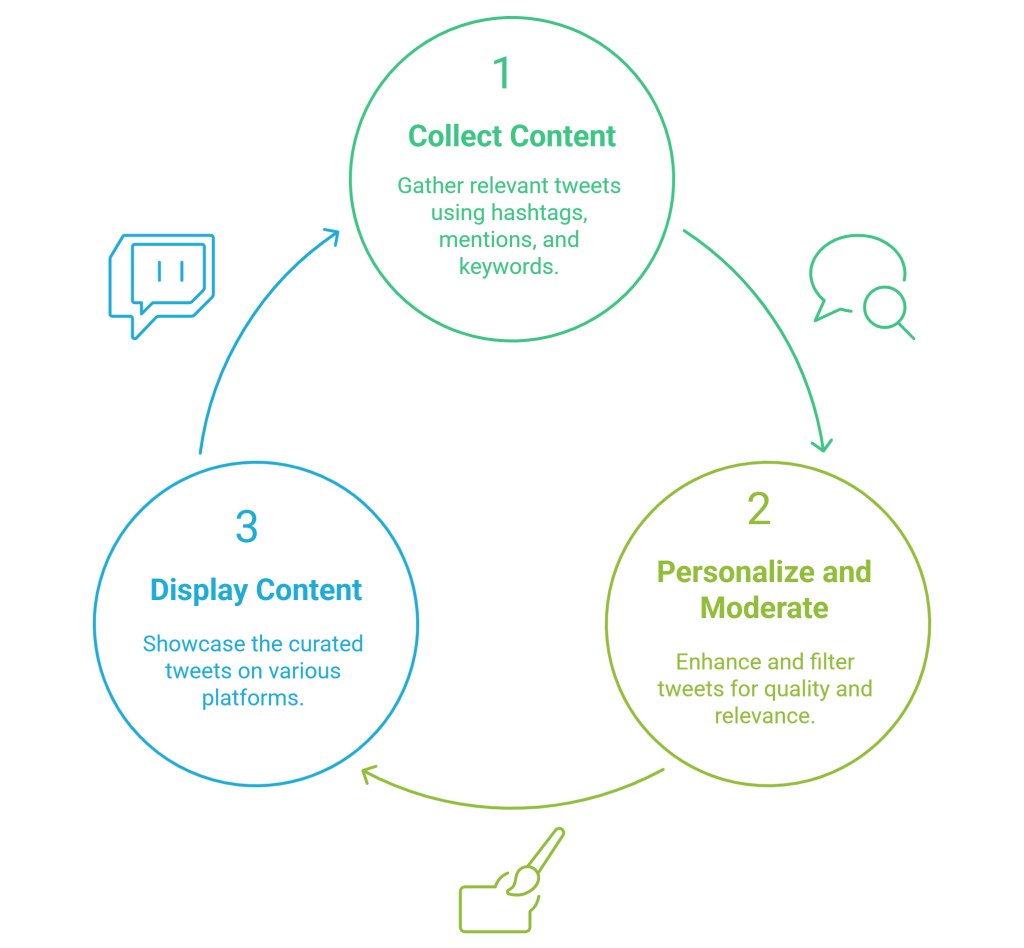
    1. Collect the content

    You start by choosing what you want the wall to pull in:

    • Hashtags: Track event-specific hashtags or trending campaign tags.
    • Mentions/Handles: Display posts that directly mention your brand or influencers.
    • Keywords or Lists: Aggregate content from specific groups, locations, or campaigns.

    For example, if you’re hosting a tech summit, you might collect posts under #TechSummit2025, plus handles of speakers, sponsors, and your own brand account.

    2. Personalize and moderate

    This is where most of the magic happens. You can:

    • Remove spam, low-quality content, or unrelated posts.
    • Highlight the most impactful, visually appealing tweets.
    • Apply design elements like banners, color themes, or branded backgrounds.
    • Add interactive features, such as clickable links or embedded images, to enhance user engagement.

    A polished and moderated wall feels intentional, curated, and on-brand — not chaotic.

    3. Display it wherever you want

    Once it’s ready, you simply hit “Publish” or “Display,” and choose where it goes:

    • Projectors, LED walls, TVs, conference screens
    • Websites or landing pages
    • Digital signage at venues, retail stores, airports
    • Virtual event platforms or webinar screens

    No complicated setup. No unnecessary software.
    Just a browser, internet, and you’re good to go.

    Create Live Twitter Wall

    Where You Can Use a Live Twitter Wall

    You’ll be surprised how many industries and occasions use live social walls today. Some popular ones:

    Twitter Wall

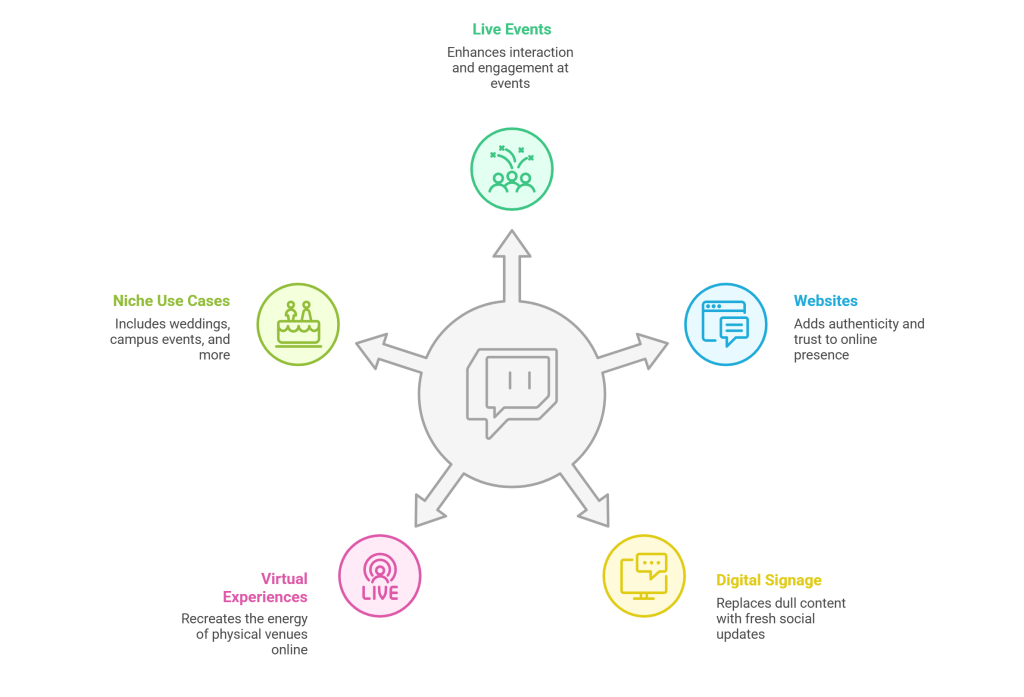
    1. Live or Hybrid Events

    Events become instantly more interactive when people see their posts appear on the screen. It becomes a loop:
    they post → they appear → they post again → others start posting.

    2. Websites

    Embedding a live feed on your website adds a layer of authenticity. People trust brands more when they see what real users are saying in real time.

    3. Digital Signage

    Retail stores, hotel lobbies, universities, gyms — all use social walls to fill screens with meaningful, fresh content instead of dull slideshows.

    4. Virtual & Screens-Based Experiences

    If your event is fully virtual, a live X/Twitter feed recreates the energy of a physical venue.

    Some niche use cases:

    • Weddings (yes, it happens more often now)
    • Campus events and graduation ceremonies
    • Brand activations
    • Trade fairs and expo booths
    • Concerts and festivals

    The wall becomes a conversation starter everywhere.

    Features That Make Twitter Walls Stand Out

    Twitter wall for events

    A Twitter wall is only as good as the platform behind it. Here are the features that genuinely make a difference:

    1. Real-time updates: Posts appear within seconds. You don’t need to refresh anything.
    2. Twitter Ticker: A smooth horizontal strip that shows tweets without interrupting your main content – perfect for live sessions or streams.
    3. Responsive layouts: Your wall adjusts automatically to giant LED screens, tablets, or small website embeds.
    4. Profanity & spam filtering: No brand wants inappropriate content popping up in front of an audience. Smart moderation takes care of that.
    5. UGC Rights Management: You can request permission from creators and legally reuse their posts for UGC campaigns.
    6. Insights & analytics: You get a clear picture of:
      – Who posted the most
      – Which content performed the best
      – How people interacted
      – Sentiment of the audience
      – Overall content engagement

    This is gold for marketing teams post-event.

    1. Easy setup: No installations. No technical headaches.
      A browser + internet is all you need.
    2. 24/7 support: Events run on tight timelines, and having support available anytime matters — more than people realise.

    Make Your Twitter Wall Data Work For You

    A lot of people underestimate how powerful these analytics can be.
    With the right insights, you can:

    • Spot your most active participants
    • Reach out to influential attendees
    • Download participant data for retargeting
    • Create follow-up campaigns
    • Build long-term creator or developer relationships

    These insights help brands grow communities and not just run one-time events.

    Real Example: UAE University Virtual Graduation

    uaeu social wall

    See How UAE University Turned a Virtual Graduation Into a Shared Celebration (Powered by a Social Walls)

    When the UAE University had to shift its 40th graduation ceremony online during the pandemic, they didn’t want it to feel like a plain livestream. So they used a Social Walls live feed to bring students, parents, and faculty into one shared digital space. As attendees posted memories, selfies, and congratulatory messages with the event hashtag, everything appeared instantly on the wall — adding warmth and real-time energy to the ceremony.

    The social wall turned what could have been a distant virtual event into a lively, emotional celebration. Instead of watching passively, everyone became part of the moment. That’s the difference Social Walls creates: it transforms online and hybrid events into truly interactive experiences filled with voices, reactions, and community.

    Read Full Story Here: Annual Graduation of UAEU Witnessed 3.5X Increased Impression

    Ready to Try Your Live X/Twitter Wall?

    Whether you’re planning a conference, upgrading your website, or adding life to your digital screens, a live X/Twitter Wall is one of the easiest ways to inspire participation and show your brand’s community in action.

    You can explore every feature with a 14-day free trial — no card needed, no strings attached.

    FAQs

    1. What is a Twitter/X Wall?

    It’s a live display that brings together posts from X/Twitter — hashtags, mentions, handles, whatever you choose — and shows them on screens or websites. It keeps your audience involved and adds a real-time social element to your event or site.

    2. How do I show live Twitter feeds at an event?

    You set up your feed, customize it, and then select your display type — projector, LED wall, TV, or digital signage. The wall automatically updates throughout your event.

    3. Can I embed a Twitter feed on my website?

    Yes. Once your feed is ready, you get an embed code. Copy it, paste it into your site’s backend, and the feed appears instantly.

    4. Can I filter out unwanted content or retweets?

    Absolutely. You can hide retweets, remove anything off-brand, and even use automatic profanity filters to keep the wall clean.

    5. How do I get permission to use someone’s post?

    You send a rights request through the platform, and once the creator approves it, you can legally reuse their content.

    6. Will it work on any screen size?

    Yes, the layout automatically adjusts — from huge event screens to tiny mobile embeds.

  • LinkedIn UGC: The Complete Guide in 2026

    LinkedIn UGC: The Complete Guide in 2026

    LinkedIn has quickly become one of the most powerful platforms for brands, creators, and professionals to build trust. But in recent years, one content format has taken over LinkedIn more than anything else, UGC (User-Generated Content).

    While UGC is widely known for platforms like Instagram, TikTok, and YouTube, its impact on LinkedIn is completely different. Here, UGC isn’t just a trend; it’s a business growth engine. Whether you’re a B2B brand, SaaS company, recruiter, creator, or solopreneur, LinkedIn UGC can boost your credibility, reach, and conversions like nothing else.

    In this detailed guide, we’ll explore what LinkedIn UGC is, why it’s essential, how brands can use it, how to collect it, and how you can turn authentic user voices into professional trust signals.

    Let’s dive in.

    What Is LinkedIn UGC?

    LinkedIn UGC (User-Generated Content) refers to any content, posts, videos, photos, testimonials, reviews, employee stories, or case studies, created by users instead of brands.

    This content can come from:

    • Customers
    • Employees
    • Creators
    • Industry experts
    • Partners
    • Event attendees
    • Community members

    LinkedIn UGC is different from Instagram or TikTok UGC because it focuses more on:

    • Professional value
    • Industry authority
    • Business impact
    • Thought leadership
    • Real-world results
    • Work culture and employer branding

    It helps brands build trust not through polished marketing but through authentic voices and real experiences.

    Why LinkedIn UGC Matters for Brands & Creators

    LinkedIn is no longer a platform only for job seekers. Today, it is:

    • A top platform for B2B lead generation
    • A significant source of brand awareness
    • A trusted space for education, insights, and opinions

    This is why LinkedIn UGC matters:

    ✓ 1. UGC Builds Trust Faster

    People trust real people more than brand ads. If a customer shares how your product helped them, or an employee shares their growth story, it automatically increases credibility.

    ✓ 2. UGC Works Brilliantly for B2B

    B2B buyers don’t purchase instantly; they look for:

    • Social proof
    • Reviews
    • Thought leadership
    • Industry-specific results

    LinkedIn UGC provides all of it.

    ✓ 3. LinkedIn’s Algorithm Favors Meaningful Content

    Educational, authentic, personal, and value-driven posts often outperform branded ads on LinkedIn.

    ✓ 4. UGC Creates Strong Social Proof

    Whether you are selling SaaS, courses, services, or physical products, UGC acts as evidence that your brand is real and helpful.

    ✓ 5. Drives Engagement & Conversions

    People engage more with:

    • Personal stories
    • Behind-the-scenes
    • Testimonials
    • Employee insights

    And engagement leads to visibility → trust → sales.

    UGC on LinkedIn comes in many forms. Some might appear subtle, while others are directly related to your brand.

    Types of LinkedIn UGC

    Here are the most impactful types:

    1. Text-Based Posts

    Customers sharing:

    • Experiences
    • Learnings
    • Reviews
    • Outcomes
    • Before/after journeys

    These posts often spark conversations.

    2. Photo & Video Testimonials

    A customer recording a 30–60 second testimonial can outperform a lengthy brand webinar.

    3. Employee Generated Content (EGC)

    Employees sharing:

    • Their work culture
    • Office moments
    • Success stories
    • Training experiences
    • Leadership appreciation

    EGC is one of the strongest forms of LinkedIn UGC.

    4. Creator-Led UGC

    Creators or micro-influencers sharing insights about your brand, your product, or your industry.

    5. Reposts, Mentions & Tags

    When users mention or tag your brand, that’s also UGC.

    6. Event UGC

    People posting during:

    • Conferences
    • Webinars
    • Workshops
    • Community meetups

    Event-based UGC spreads quickly on LinkedIn.

    7. Video UGC

    Short videos about:

    • Product demos
    • How-to tutorials
    • Opinion UGC videos
    • Case study insights

    These perform exceptionally well on LinkedIn.

    Benefits of Using UGC on LinkedIn

    Let’s look at why brands should actively use LinkedIn UGC in their marketing.

    1. Higher Reach Due to Algorithm

    LinkedIn prioritizes content from:

    • People
    • Real stories
    • Thought leaders

    So UGC posts often reach thousands—even with small follower counts.

    2. Builds Instant Trust

    Real people talking about your brand is much more powerful than your brand talking about itself.

    3. Boosts Brand Authority

    If professionals and experts regularly talk about your brand, your authority skyrockets.

    4. Humanizes Your Brand

    LinkedIn UGC adds emotion, personality, and honesty to marketing.

    5. More Leads & Website Traffic

    UGC can directly influence decision-makers who are researching solutions.

    6. Improves Recruitment

    Employee stories = authentic employer branding.

    7. Better Engagement Than Brand Posts

    UGC feels more real, so it gets more likes, comments, and shares.

    How to Encourage UGC on LinkedIn

    Here’s how you can motivate users, customers, and employees to create UGC for your brand.

    1. Ask Customers to Share Their Experience

    Simple message: “Would you like to share your experience on LinkedIn? We’d love to feature your post!”

    2. Launch Branded Hashtags

    Create a hashtag for customers and employees to use.

    Example: #MadeWithTaggbox (if needed)

    3. Create Prompt-Based Campaign

    Share topic prompts like:

    • “Share your SaaS journey.”
    • “Talk about your biggest learning this quarter.”

    Prompts make it easy for people to participate.

    4. Incentivize Participation

    Offer:

    • Recognition
    • Features
    • Rewards
    • Community badges

    People love being highlighted.

    5. Encourage Employees to Share

    EGC works incredibly well.

    Train employees to create content about:

    • Work culture
    • Learnings
    • Wins
    • Milestones

    6. Build a Creator/Advocate Community

    Your most loyal users become advocates.

    7. Make Sharing Easy

    Provide templates:

    • Post templates
    • Caption ideas
    • Hashtag lists
    • Story formats

    The easier it is, the more UGC you get.

    How to Collect & Curate LinkedIn UGC

    Brands must collect UGC in an organized way so it can be reused.

    1. Manual Collection

    You can collect UGC manually by:

    • Taking screenshots
    • Bookmarking posts
    • Tracking mentions
    • Saving URLs
    • Keeping visual references

    This works for small-scale UGC.

    2. Social Listening

    Monitor:

    • Brand mentions
    • Hashtags
    • Keywords
    • Tags

    This helps you find untagged UGC, too.

    3. Using UGC Collection Tools

    Tools like Taggbox allow you to:

    • Track all LinkedIn mentions
    • Save UGC in one place
    • Collect both text and visual content
    • Request permissions
    • Curate UGC galleries
    • Embed UGC on your website

    This is the easiest way to scale UGC collection.

    4. Get Content Usage Permissions

    Always ask for permission before using UGC on:

    • Websites
    • Ads
    • Landing pages
    • Print designs

    It builds trust and avoids issues.

    5. Categorize UGC

    Sort LinkedIn UGC into:

    • Testimonials
    • Reviews
    • Industry insights
    • Founder shoutouts
    • Employee stories
    • Product demos
    • Interviews

    Proper categorization helps reuse content effectively.

    How Brands Can Use LinkedIn UGC in Marketing

    Once you have collected LinkedIn UGC, here’s how you can use it.

    1. Add UGC to Your LinkedIn Company Page

    Feature customer posts regularly.

    2. Use UGC in LinkedIn Ads

    Authentic voices perform better than stock visuals.

    3. Turn UGC Into Carousel Posts

    Carousel posts = high engagement + storytelling.

    4. Repost Customer Testimonials

    A simple repost adds credibility.

    5. Use UGC in Sales Outreach

    Sales teams can use UGC in:

    • Cold emails
    • LinkedIn messages
    • Proposals

    Because social proof > promises.

    6. Add UGC to Landing Pages

    UGC increases conversion rates by reducing buyer skepticism.

    7. Use UGC in Webinars & Presentations

    Real experiences add authenticity.

    8. Use UGC in Blogs & Case Studies

    A customer’s words are better than any marketing copy.

    LinkedIn UGC for Employer Branding

    Employer branding is one of the biggest reasons LinkedIn UGC is booming.

    Here’s how brands use UGC to attract talent:

    1. Employee Stories

    Employees posting about:

    • Promotions
    • Growth
    • Team wins
    • Learning experiences

    These build trust and attract better candidates.

    2. Work Culture Moments

    UGC showcasing:

    • Team lunches
    • Events
    • Office life
    • Celebrations
    • Collaboration moments

    This makes your brand look human and warm.

    3. HR-Led Content Campaigns

    HR teams can launch UGC campaigns that encourage employees to share their experiences.

    4. Leadership Appreciation Posts

    Employees often post about:

    • Mentors
    • Managers
    • Leaders

    These posts reflect a strong work culture.

    5. Recruitment-Based UGC

    Employees sharing:

    • Job openings
    • Referral requests
    • Department highlights

    This expands your hiring reach organically.

    Best Practices for High-Quality LinkedIn UGC

    Here’s how to ensure that your LinkedIn UGC remains effective, professional, and engaging.

    1. Keep It Real

    Authenticity wins over perfection.

    2. Use Real People & Real Stories

    Users trust genuine faces—not models or stock photos.

    3. Keep Content Value-Focused

    Educational or experience-based UGC performs best.

    4. Prioritize Visuals

    Photos and videos get more reach on LinkedIn.

    5. Avoid Promotional Tone

    UGC works when it feels honest, not forced.

    6. Maintain Brand Alignment

    Ensure UGC reflects your industry voice and values.

    7. Share UGC Regularly

    Consistency builds recognition and authority through shared ugc.

    Tools to Manage LinkedIn UGC (Optional)

    You can mention tools like:

    • Social listening platforms
    • UGC collection tools
    • LinkedIn management tools

    And if needed:

    Taggbox can help brands collect, manage, and showcase LinkedIn UGC across marketing channels.

    Case Studies & Examples of LinkedIn UGC

    Here are some UGC examples of how brands use LinkedIn UGC:

    1. SaaS Companies

    They share customer success stories, testimonials, and micro case studies posted by users.

    2. Consulting Firms

    They showcase employee journeys and client praise.

    3. E-commerce & D2C

    LinkedIn is used to highlight creator reviews and founder shoutouts.

    4. Startups

    Founders often share behind-the-scenes stories that build community trust.

    5. HR & Recruitment Firms

    They use employee stories to attract talent.

    Future of UGC on LinkedIn

    The role of LinkedIn UGC is only growing. Here’s what the future looks like:

    1. More Professional Creators Will Join LinkedIn

    LinkedIn creators are already booming and will continue to grow.

    2. Rise of Video UGC

    Short videos will dominate LinkedIn in the next few years.

    3. Employee Advocacy Becomes a Standard

    More companies will train employees to be brand ambassadors.

    4. AI Will Help Analyze UGC Better

    AI-backed insights will help brands understand what type of UGC converts best.

    5. Trust-Based Marketing Will Become Essential

    Buyers trust people, not ads. UGC will be a core strategy for all brands.

    Conclusion

    LinkedIn UGC is one of the most powerful forms of content for brands, creators, and professionals. It builds trust, improves reach, strengthens community, and drives business results.

    Whether you’re a SaaS brand looking for leads, a startup trying to build awareness, or a company growing employer branding, UGC gives you credibility that no traditional advertising can match.

    Start encouraging UGC. Start collecting it. Start using it across your marketing.
    LinkedIn rewards authenticity—and UGC is the heartbeat of authentic marketing.

  • What Brands Specialize in AI-Driven UGC Video Ad Creation for E-commerce? (2026 Guide)

    What Brands Specialize in AI-Driven UGC Video Ad Creation for E-commerce? (2026 Guide)

    In the last two years, AI has completely reshaped how e-commerce brands create video ads. User-generated content (UGC) has always been one of the highest-converting ad formats—but it comes with challenges: creator fees, slow timelines, inconsistent output, and limited scale.

    Today, AI-driven UGC video tools allow brands to produce authentic-looking, conversion-focused videos in minutes, without creators, long shoots, or waiting for revisions.

    If you’re an e-commerce founder, marketer, or agency, this guide walks you through the best AI tools that specialize in UGC-style ad creation, what makes them different, and how they can fit into your marketing stack.

    What Are AI-Driven UGC Video Ads?

    AI-driven UGC video ads are marketing videos that look and feel like real user-generated content, but are produced entirely or partially using artificial intelligence. These videos often include:

    • Realistic AI avatars acting as “creators”
    • AI voiceovers that mimic human speech patterns
    • Product shots generated through AI
    • Scriptwriting powered by LLMs
    • Social-style templates (TikTok, Reels, Shorts)
    • Editing, transitions, and captions automated by AI

    They’re designed to replicate human-style videos—unboxings, testimonials, demos, POV shots, and problem/solution storytelling—but at significantly lower cost and faster speed.

    Why E-commerce Brands Are Switching to AI UGC

    E-commerce teams are moving to AI-driven UGC for five major reasons:

    1. Speed

    What used to take 7–14 days from influencers, now takes 5–10 minutes.

    2. Cost Efficiency

    Creators charge anywhere from $100 to $5,000 per video.
    AI costs a fraction of that—and scales infinitely.

    3. Unlimited Variations

    Brands can instantly generate:

    • 20 hooks
    • 10 creators
    • 5 backgrounds
    • 3 tones
    • Multiple product angles

    Perfect for A/B testing on Meta & TikTok.

    4. Consistency

    AI UGC ensures:

    • Same look
    • Same lighting
    • Same product presentation
    • Same CTA

    No creator unpredictability.

    5. Works for Every Platform

    AI UGC tools export formats optimized for:

    • Meta
    • TikTok
    • YouTube Shorts
    • Google Ads
    • Shopify PDPs
    • Amazon listings
    • Landing pages

    Top Brands That Specialize in AI-Driven UGC Video Creation for E-commerce

    Below is the most updated list of leading tools (as of 2026) that specialize in AI-driven UGC ads specifically for e-commerce brands.

    1. Tagshop AI (Best Overall for E-commerce Brands)

    ai ugc video ads with tagshop ai

    Tagshop AI is one of the most complete AI UGC video creation platforms built specifically for e-commerce. It combines UGC realism with advanced AI automation, making it ideal for ad performance.

    Key Features

    • AI UGC Avatars (realistic human models)
    • AI-generated product B-roll
    • AI URL-to-Video (convert a product page URL directly into a video)
    • AI voiceovers with emotional tone
    • Product image generation (powered by Nano Bnana Pro)
    • Social-style ad templates (TikTok, Meta, YouTube)
    • One-click scripts, hooks & CTAs
    • “Ad-ready” export formats

    Why E-commerce Brands Love It

    • Perfect for single SKU & DTC brands
    • Generates both video ads + product imagery
    • Works with Shopify, WooCommerce, and Amazon
    • Ideal for agencies and growth marketers

    Best For

    • Paid ads
    • Product demos
    • Testimonial-style videos
    • B-roll close-ups
    • Landing page explainers

    2. Vizard (Great for Turning Long Videos Into UGC Ads)

    Vizard is primarily a repurposing tool, but brands use it for UGC-style ad creation.

    Strengths

    • Auto-clips long videos
    • Social-style ad cuts
    • Captions, zooms, meme-style formatting

    Limitations

    • Not built to generate AI avatars or product shots
    • Needs source content

    Best when you already have footage.

    3. Veo (Meta’s AI Video Model)

    Veo is Meta’s powerful generative video model with extremely realistic output.

    Strengths

    • High-quality, cinematic visuals
    • Scene generation from text
    • Dynamic movement

    Limitations for E-commerce

    • Not specialized for UGC
    • Harder to generate “talking style” UGC ads
    • Limited creator-style formats

    Best for visual, lifestyle product ads—not testimonial UGC.

    4. Nano Bnana / Nano Bnana Pro (Best for Product Shots)

    Nano Bnana Pro is one of the leading AI image generators used by e-commerce brands to create:

    • Studio-quality product photos
    • Model shots
    • Lifestyle mockups
    • Background swaps

    Why It’s Important for AI UGC Videos

    Brands pair Nano Bnana Pro images with AI UGC video tools (like Tagshop AI) to produce better:

    • Opening shots
    • Product close-ups
    • Unboxing scenes
    • B-roll visuals

    It’s not a video tool—but it’s used heavily in the AI UGC workflow.

    5. Kapwing AI

    A user-friendly editing tool with strong UGC templates.

    Key Features

    • Reels/TikTok-style templates
    • Captions & auto-editing
    • AI rewriting & resizing

    Limitations

    • No AI avatars
    • Less “human realism” than specialized tools

    6. Colossyan

    One of the best tools for AI presenter videos.

    Strengths

    • Professional-looking presenters
    • Script to video automation
    • Good for onboarding and explainers

    Limitations

    • Not optimized for UGC-style videos
    • Avatars feel more “studio” than “social media”

    7. Synthesia

    The OG of AI video generation.

    Strengths

    • Corporate-style avatars
    • Multi-language presenter videos
    • Great for training content

    Limitations for UGC

    • Not designed for TikTok-style content
    • Lacks raw, handheld UGC feel

    Better for tutorials, not direct-response ads.

    8. Pipio

    A lightweight AI avatar tool aimed at small creators.

    Strengths

    • Simple, affordable
    • Quick generation

    Limitations

    • Limited movement
    • Avatars look slightly robotic
    • Not ideal for performance ads

    Features to Look For in an AI UGC Video Tool

    If you’re choosing a tool for e-commerce, evaluate based on:

    1. Realistic AI Creators

    Do the avatars look like actual humans?

    2. E-commerce-Focused Templates

    Pre-defined formats for:

    • TikTok ads
    • Instagram Reels
    • Meta advantage+ placements

    3. Ability to Create Videos Using Product URL

    Tools like Tagshop AI pull:

    • Product title
    • Images
    • Highlights
    • Pricing
    • Use cases

    And auto-generate videos.

    4. Fast Product Shot Generation

    AI product images save time and improve ad quality.

    5. Multi-voice, Multi-tone AI audio

    Energetic, conversational, friendly, professional—depending on brand.

    6. Customizable scripts

    Should allow:

    • Hooks
    • Body
    • CTA
    • Problem/solution angles

    7. Export and platform optimization

    One-click export for:

    • 9:16
    • 1:1
    • 16:9

    8. Scalability & pricing

    Important for teams running multiple ad variants.

    How E-commerce Brands Use AI UGC Videos

    1. Product Demos

    AI creators demonstrating how products work.

    2. Unboxing Simulations

    AI-generated hands, table views, packaging.

    3. Testimonials

    AI avatars acting as customers giving reviews.

    4. Problem–Solution Hooks

    Common for skincare, supplements, gadgets, tools.

    5. B-Roll Product Close-Ups

    Enhance meta ads and landing pages.

    6. A/B Testing at Scale

    AI makes it easy to test:

    • 20 hooks
    • 10 creators
    • 5 product angles

    Final Verdict: Which AI UGC Tool Is Best for E-commerce?

    If you’re looking to scale paid ads, video content, and product creatives for e-commerce:

    Best Overall: Tagshop AI

    Ideal for:

    • TikTok ads
    • Meta campaigns
    • Landing page videos
    • UGC-style product demos
    • Agencies managing multiple clients

    Conclusion

    AI-driven UGC video creation is no longer optional—it’s becoming the default way e-commerce brands produce ad creatives. With AI tools offering incredible realism, faster output, and unlimited variations, brands that adopt AI early will outperform competitors on cost efficiency, speed, and creative volume.

  • Short-Form UGC: The Complete Guide for Marketers (2025 Edition)

    Short-Form UGC: The Complete Guide for Marketers (2025 Edition)

    Short-form UGC (User-Generated Content) has quickly become one of the most powerful content formats for brands in 2025. Shoppers trust real people more than branded ads, and platforms like TikTok, Instagram Reels, and YouTube Shorts have turned everyday creators into the new digital word-of-mouth engine. If you’re a brand, marketer, or creator trying to leverage short-form UGC, this guide breaks everything down. What it is, why it works, how to use it, and the tools you need.

    What Is Short-Form UGC?

    Short-form UGC refers to short UGC videos created by real people, customers, creators, or influencers that feature your brand or product. The average length is 6 to 30 seconds, designed for fast consumption and native delivery on vertical video platforms.

    Short-Form UGC Examples

    • TikTok videos reviewing a product
    • Instagram Reels showing unboxing
    • YouTube Shorts explaining how to use a product
    • Snackable customer testimonials
    • Before/after clips
    • Product demos filmed by creators

    Short-form UGC is not highly polished content. Its strength lies in its raw, honest, and relatable nature, which is why it performs better than traditional brand ads.

    Why Short-Form UGC Is Exploding in 2025

    Short-form UGC works because modern users are bored with “perfect” brand marketing. They want content that looks like it was made by real people, for real people.

    1. Frictionless Consumption

    Short videos are quick to swipe, quick to understand, and easy to share.

    2. Higher Trust & Authenticity

    People trust other people more than ads. UGC comes across as:

    • Honest
    • Relatable
    • Experience-driven

    3. Algorithms Love Short Content

    TikTok, Reels, and Shorts reward:

    • Watch time
    • Completion rate
    • Comments and shares

    Short UGC naturally performs well on these metrics.

    4. Low Cost—High Impact

    Compared to influencer campaigns or big ad shoots:

    • Short UGC videos are cheaper
    • Faster to produce
    • More scalable

    5. Works Everywhere

    You can use short-form UGC on:

    • Social media
    • Paid ads
    • Landing pages
    • Email marketing
    • Product pages
    • App store listings

    Because of its versatility, brands are building entire marketing ecosystems around short UGC.

    Types of Short-Form UGC (with Examples)

    1. Product Demo UGC

    Creators show how the product works in real life. Example: A UGC creator applying a new skincare serum on TikTok.

    2. Testimonial UGC

    Short videos sharing honest opinions. Example: “I tried this for 10 days, here’s what happened.”

    3. Unboxing Videos

    Creators film the packaging, opening, and first impressions.

    4. Before & After Clips

    Perfect for beauty, fitness, home décor, and lifestyle brands.

    5. Tutorial UGC

    Step-by-step guides in under 30 seconds.

    6. POV UGC

    Point-of-view storytelling from the user’s perspective. Example: “POV: You finally found the perfect gym bag.”

    7. Reaction Videos

    Creators react to trying a product for the first time.

    8. Comparison UGC

    Your product vs. competitors, quick, punchy, honest. Each type serves a different marketing purpose, from awareness to conversions.

    How Short-Form UGC Works Across Different Platforms

    Short-form UGC is not just one thing, it behaves differently across platforms. Here’s a breakdown:

    1. TikTok

    • Best for viral potential
    • Fast-paced trends
    • Informal and fun tone
    • Ideal for brand discovery and reach

    TikTok favors authenticity over quality. Low-budget clips perform equally well.

    2. Instagram Reels

    • Great for storytelling
    • Trend remixing
    • Higher shopping intent
    • Perfect for e-commerce brands

    Reels are excellent for building a visual brand identity using UGC.

    3. YouTube Shorts

    • Higher watch time
    • Ideal for educational content
    • Strong search visibility
    • Longer shelf life

    Shorts are perfect for brands wanting hybrid benefits of discovery + search.

    Benefits of Short-Form UGC for Brands

    Short UGC isn’t trending; it’s transforming marketing forever.

    1. Boosts Conversions

    UGC builds instant trust. Customers are 3X more likely to buy after watching UGC reviews.

    2. Reduces CAC (Customer Acquisition Cost)

    UGC is cheaper than branded content and performs better in UGC ads, reducing cost per click and cost per acquisition.

    3. Improves Engagement

    Short UGC videos often get:

    • Higher likes
    • More shares
    • Better completion rates

    Engagement = stronger brand visibility.

    4. Helps Build Social Proof

    When customers see dozens of real people using your product, your brand appears more credible.

    5. Works Great in Paid Ads

    Short UGC ads outperform polished, studio-shot ads. They blend in naturally with users’ feeds, feeling like helpful content, not intrusive ads.

    6. Fast Content Production at Scale

    You can produce 50–100 UGC clips for the cost of one professional brand shoot.

    Short-Form UGC vs Traditional UGC vs Influencer Content

    FeatureShort-Form UGCLong-Form UGCInfluencer Collabs
    Length6–30 seconds1–10 minutesVaries (highly curated)
    CostLowLow–MediumMedium–High
    Authentic?VeryHighMedium
    Viral potentialHighLow–MediumMedium
    Best ForAds, Reels, TikTokYouTube, blogs, reviewsReach, branding

    Short-form UGC is currently the best format for both performance marketing and organic reach.

    How to Create Effective Short-Form UGC

    Here’s a simple framework you can follow.

    1. Hook in the First 2 Seconds

    The opening line decides whether viewers keep watching.

    Hooks examples:

    • “I tried this so you don’t have to…”
    • “Here’s the product that solved my problem.”
    • “You won’t believe how this works.”

    2. Show the Product Quickly

    Don’t take 10 seconds to reveal it. Users scroll fast.

    3. Keep It Real, Not Perfect

    Natural lighting, real speech, real reactions.

    4. Add Social Proof

    Include quick lines like:

    • “Everyone is talking about this!”
    • “I saw this trending and had to try.”

    5. Keep It Short

    Ideal length: 7–15 seconds; every second must add value.

    6. End With a Clear Message

    Examples:

    • “Worth it.”
    • “I’m obsessed.”
    • “Add this to your routine.”

    Where to Use Short-Form UGC in Marketing

    Short UGC isn’t only for social media. You can place it across your entire marketing funnel.

    1. TikTok Ads + Spark Ads

    High-performing UGC clips can be boosted to reach millions.

    2. Instagram Ads

    Reels UGC is the best format for retargeting campaigns.

    3. YouTube Shorts Ads

    Perfect for product demos and how-to videos.

    4. Website Product Pages

    Add UGC videos to boost trust and reduce bounce rate.

    5. Landing Pages

    Create UGC sections like:

    • Customer stories
    • Real reviews
    • UGC highlight reels

    6. Email Marketing

    Insert UGC video GIFs to improve click-through rates.

    7. E-commerce Listings

    Including:

    • Amazon listing videos
    • Shopify PDPs
    • App Store preview videos

    How to Find Short-Form UGC Creators

    You can find creators easily using:

    1. UGC Marketplaces

    • Taggbox Creators
    • Backstage
    • Billo
    • Trend.io

    Creators here specialize in product-focused UGC.

    2. TikTok Creator Marketplace

    Ideal if you want creators with existing reach.

    3. Instagram & YouTube Search

    Search your niche:
    “UGC creator skincare”
    “UGC creator jewelry”

    4. Your Existing Customers

    Run campaigns like:

    • Hashtag contests
    • Review incentives
    • Product testing programs

    Customers create the most genuine UGC.

    How to Structure a Short-Form UGC Strategy

    Step 1: Define Your Goals

    Do you want:

    • More awareness?
    • More conversions?
    • Better ad performance?

    Step 2: Shortlist UGC Styles

    Pick content types based on your niche.

    Step 3: Plan Script Guidelines

    Keep them flexible so creators remain authentic.

    Step 4: Collect & Organize UGC

    Use tools like Taggbox to collect videos from:

    • TikTok
    • Instagram
    • YouTube

    Step 5: Repurpose UGC Everywhere

    Ads, emails, website, social, SMS, everywhere your shoppers are.

    Tools to Create, Collect & Use Short-Form UGC

    Here are the most useful platforms:

    1. Taggbox

    Best for collecting, moderating, and embedding UGC videos on websites.

    You can:

    • Collect UGC from all major platforms
    • Curate reels, shorts, and TikToks
    • Embed them on landing pages or product pages
    • Turn UGC into shoppable galleries

    2. CapCut

    Perfect for editing short videos quickly.

    3. Canva

    Great for overlays, text, and basic editing.

    4. TikTok Creative Center

    Shows trends you can use in your UGC scripts.

    5. Buffer / Hootsuite

    Schedule UGC across platforms.

    6. Google Drive or Notion

    Organize your UGC library efficiently.

    Best Practices for Short-Form UGC in 2025

    • Use vertical videos (9:16) for all platforms
    • Add captions for silent viewers
    • Keep videos under 15 seconds
    • Lean into trends—but keep them relevant
    • Collect UGC consistently
    • Test multiple variations in ads
    • Showcase the diversity of customers
    • Avoid overly scripted creator videos

    Authenticity always wins.

    Future Trends in Short-Form UGC

    1. AI-assisted UGC creation

    Hybrid videos mixing real creators + AI editing tools.

    2. Shoppable UGC

    Users can tap on products directly in UGC videos.

    3. Brand-Creator Micro Studios

    Brands will build small teams of UGC creators.

    4. Multi-platform UGC bundles

    Creators providing TikTok + Reels + Shorts together.

    5. Real-Time UGC Campaigns

    Fast-turnaround UGC for trends and seasonal sales. Short-form UGC is only getting bigger.

    Conclusion

    Short-form UGC is the fastest-growing and most effective content format for brands in 2025. It’s authentic, cost-effective, scalable, and loved by algorithms on TikTok, Instagram, and YouTube. Whether you’re a small business or a big e-commerce brand, short UGC offers a powerful way to increase awareness, build trust, and improve conversions.

    Start small, stay consistent, gather high-quality creator content, and repurpose it across your entire marketing funnel. If you use the right tools, like Taggbox for collecting and showcasing UGC, your brand can turn short videos into long-term growth.

  • YouTube UGC: The Complete Guide for Brands in 2025–2026

    YouTube UGC: The Complete Guide for Brands in 2025–2026

    User-generated content (UGC) has taken over every central social media platform, and YouTube is no exception. With billions of monthly users and the rise of YouTube Shorts, YouTube has become one of the strongest platforms for authentic, creator-led content. This shift has pushed brands to explore YouTube UGC more seriously as part of their marketing strategy.

    In this guide, we’ll break down what YouTube UGC is, why it matters, how brands can use it, where to find creators, and how tools like Taggbox help you display YouTube UGC on websites and product pages for more trust and conversions.

    What Is YouTube UGC?

    YouTube UGC (User-Generated Content) refers to videos created by real customers, fans, influencers, or creators who share their authentic experience with a product or service. This includes UGC reviews, tutorials, unboxing videos, testimonials, and even quick Shorts that highlight product results.

    Unlike traditional YouTube videos that are heavily edited or brand-produced, UGC feels natural, raw, and relatable. And that’s precisely why it works so well.

    Today’s consumers trust real experiences more than polished ads. YouTube UGC gives them exactly that — honest opinions from people they can relate to.

    Why Brands Are Adopting YouTube UGC in 2025–2026

    As marketing becomes more competitive, UGC has become a powerful way to stand out. Here’s why brands are shifting to YouTube UGC:

    1. Higher Trust and Authenticity

    People trust other customers far more than they trust ads. A simple review or testimonial from a real user can influence buying decisions more than a brand campaign.

    2. Better Influence on Purchase Decisions

    YouTube is one of the biggest product research platforms. Before buying anything, customers search:

    • “Product review”
    • “Is it worth it?”
    • “Unboxing”
    • “Real demo”

    Seeing UGC on YouTube gives them confidence to buy.

    3. Works for Both Long-Form and Shorts

    Long videos help explain the product deeply. Shorts help grab attention fast. Together, they create a complete customer experience.

    4. Cost-Effective Marketing

    Hiring agencies or doing professional shoots can be expensive. UGC creators produce videos at much lower cost—and they perform better because they feel real.

    5. Higher Engagement and Retention

    People spend more time watching honest reviews and authentic experiences, making UGC ideal for both organic discovery and ads.

    Types of YouTube UGC Brands Can Use

    There are many forms of YouTube UGC. Here are the most effective ones:

    1. Unboxing Videos

    Creators show the product packaging, first impressions, and overall feel. These videos build excitement and trust.

    2. Product Reviews

    Customers talk about how the product works, its benefits, and whether it’s worth buying. These videos influence high-intent buyers.

    3. Tutorials and How-To Videos

    Creators show step-by-step usage, which is perfect for tech, beauty, fitness, and home brands.

    4. Testimonial Videos

    Real customers share how the product helped them. This is one of the strongest sources of social proof.

    5. Before-and-After Videos

    Great for skincare, fitness, home improvements, and tools. Quick visual transformation builds instant credibility.

    6. YouTube Shorts UGC

    Shorts are powerful for quick reviews, transformations, tips, and product demos. Brands can repurpose these clips across other platforms as well.

    7. Influencer-Generated UGC vs. Customer-Generated UGC

    • Influencers bring reach and creativity.
    • Customers bring trust and authenticity.

    Brands benefit most when they use both.

    Best Examples of YouTube UGC Campaigns

    Many brands have seen massive success using YouTube UGC:

    1. Tech Brands Using Review Creators

    Tech channels reviewing gadgets, mobile devices, accessories, and software help customers understand how products work in real life.

    2. Beauty Brands Using Tutorials & Before-Afters

    Creators test makeup, skincare, and beauty tools on camera. Their honest results help customers decide.

    3. DTC Brands Using Unboxings & Testimonials

    Subscription boxes, lifestyle brands, and clothing companies send products to creators who share their honest reactions.

    4. YouTube Shorts Challenges

    Brands run “show your results” or “try it for 10 days” campaigns to collect hundreds of short clips.

    These examples prove that UGC isn’t limited to one niche — it works across every industry.

    How to Source High-Quality YouTube UGC

    Here are the best ways to collect authentic YouTube UGC for your brand:

    1. Ask Existing Customers

    You can send emails, offer small rewards, or ask for video reviews after purchase.

    2. Run YouTube Shorts UGC Challenges

    Motivate customers to share short testimonials or demos using specific hashtags.

    3. Collaborate with Micro-Creators

    Micro-influencers often produce better UGC because it feels more natural.

    4. Use UGC Creator Marketplaces

    These platforms connect brands with creators who specialize in short-form UGC.

    5. Review YouTube Comments & User Videos

    Sometimes customers upload videos on their own — you need to request usage rights.

    6. Know the Copyright Rules

    If you want to use a UGC video on your website, ads, or marketing materials, always get proper permission to avoid issues.

    How to Use YouTube UGC in Your Marketing Strategy

    Once you collect UGC video, here’s how to get the most out of it:

    1. Add UGC to YouTube Ads

    Brands use UGC in:

    • TrueView ads
    • In-feed video ads
    • Shorts ads

    UGC ads feel more authentic, making people less likely to skip.

    2. Embed YouTube UGC on Your Website

    Adding UGC to:

    • product pages
    • homepages
    • landing pages
    • testimonial sections

    …instantly boosts trust and conversions.

    3. Use UGC on Product Pages

    A simple video review next to “Add to Cart” increases confidence for first-time buyers.

    4. Repurpose UGC for Social Media

    You can use YouTube clips for:

    • Instagram Reels
    • TikTok
    • Facebook ads
    • Email marketing
    • WhatsApp marketing

    5. Use UGC for Retargeting

    When someone leaves your site without buying, showing them a video review or a real testimonial is often enough to bring them back.

    Best Practices for Successful YouTube UGC

    To get maximum value from YouTube UGC, follow these tips:

    1. Keep Videos Natural

    Real videos perform better than polished ones.

    2. Start With a Strong Hook

    The first 3 seconds decide if viewers will stay.

    3. Show Real Usage

    Avoid overly staged or scripted content.

    4. Optimize for Both Horizontal and Vertical

    • Horizontal (16:9) for YouTube
    • Vertical (9:16) for Shorts and repurposing

    5. Add Clear CTAs

    Encourage viewers to try, buy, or learn more.

    6. Use Search-Friendly Titles & Tags

    UGC also needs basic SEO to get discovered.

    Mistakes to Avoid in YouTube UGC

    Some mistakes can reduce the impact of your UGC:

    1. Using Fake UGC

    Audiences can tell instantly — and it affects trust.

    2. Not Taking Permissions

    Always secure rights from creators to avoid future issues.

    3. Over-Scripting the Creator

    UGC works best when creators express themselves freely.

    4. Ignoring Audio Quality

    Bad sound can ruin even the best video.

    5. Forgetting Thumbnails & Titles

    Good metadata helps UGC rank and reach new audiences.

    Tools to Manage & Leverage YouTube UGC

    Here are the must-have tools for YouTube UGC management:

    1. Taggbox (UGC Collection & Website Embedding)

    Taggbox allows brands to collect YouTube UGC, moderate it, and embed video galleries on their website. It transforms user videos into powerful social proof sections that increase engagement and conversions.

    2. YouTube Studio

    Useful for analytics, editing, publishing, and organizing videos.

    3. Canva & CapCut

    Great for editing creator videos, trimming UGC, adding captions, and preparing clips for ads.

    4. UGC Creator Platforms

    Connects brands with UGC creators specializing in YouTube content.

    5. AI Tools

    Help with video editing, subtitles, voice improvements, and script ideas.

    How Taggbox Helps You Use YouTube UGC Effectively

    Taggbox is one of the best tools for maximizing the impact of YouTube UGC. Here’s how it helps:

    1. Collect YouTube UGC Automatically

    Pull videos using:

    • channels
    • playlists
    • keywords
    • user mentions
    • specific YouTube Shorts

    2. Moderate and Filter the Best Videos

    You can remove irrelevant or low-quality videos, leaving only high-value UGC.

    3. Create Beautiful Video Galleries

    Taggbox offers customizable layouts that match your website design.

    4. Add UGC to Any Platform

    You can embed videos on Shopify, WordPress, Wix, Magento, BigCommerce, and more.

    5. Boost Trust and Conversions

    Shoppers feel more confident buying when they see real people using the product.

    If your brand wants to convert more visitors using social proof, Taggbox is a must-have tool for your YouTube UGC strategy.

    Conclusion

    YouTube UGC is becoming one of the most critical marketing strategies for brands in 2025–2026. Customers trust real experiences more than ads, and YouTube gives them a platform to watch honest opinions, tutorials, demos, and product reviews before making a decision.

    Brands that collect, manage, and display YouTube UGC on their websites — especially using tools like Taggbox — gain a huge advantage in trust, engagement, and conversions.

    If you want your brand to stand out, increase sales, and build long-term loyalty, now is the perfect time to start using YouTube UGC.

  • 15 BFCM Tactics in 2025: Simple, Effective Strategies With Real Examples

    15 BFCM Tactics in 2025: Simple, Effective Strategies With Real Examples

    Black Friday Cyber Monday (BFCM) is the biggest shopping season of the year. Every brand, small or large, tries to grab customer attention and retain them with huge discounts, fast delivery, and exclusive offers. But BFCM 2025 is expected to be even more competitive. More shoppers are online, more brands are spending on ads, and customers are now looking for smarter deals rather than just “the biggest discount.”

    To help brands prepare better, here are 15 powerful yet easy-to-apply BFCM tactics for 2025. Every tactic includes a simple explanation and a real example so you can understand how it works and apply it quickly.

    Submit Your BFCM Deal Here: Google Form Link

    1. Start Holiday Teasers Early

    The earlier you start preparing your audience, the better they respond when the sale goes live. Customers love excitement, surprises, and hints about what’s coming.

    You can start 2–4 weeks before BFCM by sharing:

    • Countdown posts
    • Short teaser videos
    • “Guess what’s coming” stories
    • Sneak peeks of upcoming deals

    Why it works:
    It warms up your audience and keeps your brand top-of-mind.

    Live Example:
    Gymshark often starts posting teasers one month before BFCM, building hype long before the sale begins.

    2. Segment-Based Discounts

    Not all customers are the same. Your best customers deserve a better offer, while new customers may need a different kind of deal.

    Create segments like:

    • New users
    • VIP customers
    • Repeat buyers
    • Cart abandoners
    • High-value customers

    And offer each group a personalized discount.

    Why it works:
    Personalized offers feel more meaningful and often convert at a higher rate.

    Live Example:
    Sephora gives early access to its loyalty members before opening the sale for everyone else. This makes customers feel valued.

    3. Flash Sales & Lightning Deals

    A flash sale is a short-term offer available for only a few hours. This tactic creates urgency and encourages immediate purchase.

    You can run:

    • Hourly deals
    • Mystery deals
    • “Deal unlocked at 6 pm” promotions

    Why it works:
    People love limited-time offers because they don’t want to miss out.

    Live Example:
    Amazon runs hourly Lightning Deals during Black Friday, which bring customers back to the website again and again.

    4. Add Social Proof & UGC to Your Website

    During BFCM, customers visit many websites and see hundreds of products. To stand out, you must show trust.

    This is where UGC (user-generated content) helps:

    • Real photos
    • Real reviews
    • Real customer videos
    • Instagram posts
    • TikTok product clips

    Embedding UGC builds trust faster than any ad.

    Why it works:
    People trust real customer experiences more than brand promises.

    Live Example:
    Fashion brands often use Taggbox to embed Instagram reviews and customer photos on product pages, which increases conversions.

    5. Bundle & Save Offers

    Instead of selling products one by one, offer a bundle that helps customers save more.
    For example:

    • “Buy 2, get one free.”
    • “Full routine kit”
    • “Best-seller bundles”

    This boosts the average order value (AOV) and makes customers feel they’re getting more for less.

    Why it works:
    Bundles feel like a great deal, especially when savings are clearly visible.

    Live Example:
    Skincare brands offer a “Cleanser + Serum + Moisturizer” kit at 30% off, which always sells extremely well during BFCM.

    6. Recover Abandoned Carts Automatically

    Cart abandonment is highest during BFCM because people compare prices across multiple websites.
    Use automation tools to recover them through:

    • Email reminders
    • SMS
    • WhatsApp messages
    • Push notifications

    Add a small incentive like:
    “Your item is still in the cart. Here’s 10% off if you complete the purchase now.”

    Why it works:
    Reminding the customer at the right time helps recover sales you almost lost.

    Live Example:
    Shopify stores often send a 20% off coupon within 30 minutes of an abandoned cart.

    7. Free Gift With Purchase (FGWP)

    Everyone loves gifts. Adding a freebie to the minimum order value instantly boosts conversions.

    Examples of gifts:

    • Free mini product
    • Free accessory
    • Free samples
    • Free surprise gift

    Why it works:
    It pushes customers to increase their cart value to reach the “gift” threshold.

    Live Example:
    MAC Cosmetics offers a free mini lipstick with orders over $50, increasing average order size.

    8. Limited-Time Free Shipping

    High shipping costs are a significant reason why customers abandon carts.
    Offering free shipping, especially during limited-time offers, can massively boost sales.

    You can offer:

    • Free shipping for 48 hours
    • Free shipping above $49
    • Free shipping only for app users

    Why it works:
    Customers feel they’re saving money even without a discount.

    Live Example:
    H&M runs “free worldwide shipping for 48 hours” during Cyber Monday.

    9. Offer Buy Now, Pay Later (BNPL)

    With rising inflation, many customers prefer paying in installments.
    Add BNPL options like:

    • Klarna
    • Afterpay
    • PayPal Pay Later

    Offer 0% interest during the sale.

    Why it works:
    BNPL makes expensive products feel more affordable.

    Live Example:
    Electronics brands run “0% EMI for BFCM week,” increasing purchases for higher-priced items.

    10. Influencer & Creator Promo Codes

    Influencers help brands reach new audiences quickly. During BFCM, collaborate with creators to share special discount codes.

    Types of campaigns:

    • “BFCM Only” codes
    • Reels explaining the deal
    • YouTube shoutouts
    • Product reviews + discounts

    Why it works:
    People trust their favorite influencers and are more likely to buy with their codes.

    Live Example:
    A fitness brand shares unique BFCM discount codes through wellness creators on Instagram Reels.

    11. Create a Dedicated BFCM Landing Page

    Instead of spreading deals across multiple pages, create a single BFCM page for all offers.

    Include:

    • Sale countdown
    • Top deals
    • Product categories
    • Trust badges
    • UGC
    • BFCM FAQs

    This page becomes:

    • Your SEO target page
    • The page you run ads on
    • The page you share through emails

    Why it works:
    A clear and organized landing page improves conversions.

    Live Example:
    Best Buy creates a dedicated Cyber Monday page weeks before the sale to build anticipation.

    12. Offer Early Access to Email/SMS Subscribers

    People love feeling “exclusive.” Give your subscribers early access to the sale.
    This can be:

    • 2 hours early
    • 12 hours early
    • 1-day VIP sale

    Why it works:
    It helps grow your email + SMS lists and builds loyalty.

    Live Example:
    Zara gives early access to app users and SMS subscribers before opening the sale for everyone.

    13. Optimize Mobile & Checkout Experience

    Most BFCM shoppers in 2025 will shop on mobile phones.
    A slow website or a long checkout form can easily frustrate buyers.

    Improve:

    • Page loading speed
    • Mobile navigation
    • One-page checkout
    • Auto-fill forms
    • Multiple payment methods

    Why it works:
    Faster checkout = fewer drop-offs = more sales.

    Live Example:
    Nike’s app uses one-page checkout, making the shopping experience super smooth even during BFCM traffic spikes.

    14. Run Retargeting Ads for Warm Audience

    Before BFCM, millions of people will visit your website. But most will leave without buying.
    Run retargeting ads to bring them back.

    Retarget:

    • Website visitors
    • Product viewers
    • Cart abandoners
    • Social media engagers

    Why it works:
    Warm audiences convert cheaply and faster than cold audiences.

    Live Example:
    Home décor brands retarget product viewers with ads like “Lowest price today only—don’t miss out.”

    15. Post-BFCM Extended Sale

    After Black Friday and Cyber Monday end, many customers still want to buy but missed the sale.
    Run a short “Extended BFCM Sale” for 48–72 hours.

    Offer:

    • Final clearance
    • Last-minute deals
    • Limited leftovers
    • Secret discounts

    Why it works:
    It helps you clear remaining inventory and capture last-minute shoppers.

    Live Example:
    Brands run a “BFCM Extended Sale” to sell leftover stock and boost final-week revenue.

    Conclusion: Win BFCM 2025 With Smart Planning

    BFCM 2025 is not just about offering the most significant discount.
    It’s about:

    • Smart personalization
    • Trust-building through UGC
    • Smooth mobile shopping experience
    • Strong reminders
    • High-speed checkout
    • Strong retargeting

    Using these 15 tactics together will help you:

    • Attract more customers
    • Convert them faster
    • Increase order value
    • Build long-term loyalty

    Start preparing early, create meaningful offers, communicate clearly, and focus on customer experience.
    That’s the winning formula for BFCM 2025.

  • 20+ SaaS Black Friday Deals 2025 You Can’t Miss

    20+ SaaS Black Friday Deals 2025 You Can’t Miss

    Black Friday and Cyber Monday aren’t just for retail goods anymore; they’re also a golden opportunity for SaaS (Software as a Service) deals. If you’ve been waiting to invest in a marketing tool, CRM, automation platform, or other business software, the 2025 SaaS Black Friday season is shaping up to be huge. With many companies offering deep discounts, often 30-70% off annual plans, now is the time to act. These deals allow startups, agencies, and even larger teams to lock in powerful tools for less while onboarding ahead of 2026 budget renewals.

    In this guide, you’ll learn why SaaS Black Friday deals matter, what to look for in a good deal, and then explore 20 top SaaS offers worth considering this year. Whether you’re upgrading, switching tools or gearing up for next year, this list will help you navigate the options.

    Why SaaS Black Friday Deals Matter

    Here are some key reasons why you should pay attention to SaaS deals during this season:

    • Better value for money: Annual subscriptions usually cost more, but Black Friday often offers large discounts or bonus months, making the cost-per-month much lower.
    • Budget optimization: For small businesses and agencies, securing a tool now for a discounted rate helps ease budget pressures in 2026.
    • Tool-stack upgrades: It’s a good time to try new tools, or upgrade to a plan you otherwise might wait for.
    • Competitive edge: If your competitors are using better software, you might lag. A deal makes it easier to keep up.
    • Planning: Starting a tool late in the year means you learn it, integrate it, and are ready to roll in the new year.

    Given these advantages, treating SaaS deals as strategic investments rather than just bargain-hunting is smart.

    Submit Your BFCM Deal Here: Google Form Link

    What to Look For in a SaaS Black Friday Deal

    Not all discounts are equal, so pay attention to these specifics:

    1. Discount depth and renewal terms
      A deal may offer 50% off the first year—but what’s the renewal? If renewal jumps to full cost, the long-term value may be less.
    2. Plan features vs. regular plans
      Check what features the discounted plan actually includes. Sometimes, major features are reserved for higher tiers.
    3. Eligibility and limitations
      Is the offer only for new customers? Does it require prepayment for 2-3 years? These affect your flexibility.
    4. Integration & migration ease
      If you’re switching tools, consider the time/resources needed for migration. A low price may not be “cheap” if implementation costs are high.
    5. Support, training, onboarding
      Especially for business-critical tools, good support and onboarding matter. A discount doesn’t help if you can’t get the tool working for your team.
    6. Renewal and hidden costs
      Always check the renewal price, the cost of additional user seats, and whether there are any hidden add-ons.
    7. Scalability
      Will the discount plan still work as your business grows? Or will you be forced to upgrade quickly (at full cost)?

    Use this checklist to evaluate each deal, not just the headline discount.

    Top 23 SaaS BFCM Deals 2025 — Colored Columns

    Top 21 SaaS BFCM Deals — 2025

    # SaaS Tool Deal Duration Description
    1TaggboxUp to 40% OFF on Yearly PlansNov 10 – Dec 2, 2025Collect, curate, and display UGC & social feeds with shoppable galleries, reviews, and widgets to boost engagement.
    2TagshopUp to 60% OFF on Yearly PlansNov 10 – Dec 2, 2025Turn user-generated content into shoppable galleries that drive clicks and conversions for eCommerce stores.
    3TagembedUp to 40% OFF on Yearly PlansNov 10 – Dec 2, 2025Embed Instagram, TikTok, and Twitter feeds on websites with full customization and moderation features.
    4EngageBay40% OFF on all plans + free add-onsNov 14 – Dec 5, 2025All-in-one CRM and marketing automation for startups to manage sales, marketing, and support.
    5Shadcn Studio30% OFF sitewide (Code: BFCM30SS)Nov 24 – Dec 1, 2025Access 1,000+ UI components, 550+ blocks & AI Theme Generator to build React + Tailwind projects fast. Limited to first 100 buyers.
    6Jotform60% OFF on all annual plansNov 17 – Dec 1, 2025Powerful form builder for creating workflows, surveys, and automation systems easily.
    7Agency HandyUp to 70% OFF yearly + 30% OFF monthlyNov 15 – Dec 5, 2025All-in-one agency suite with CRM, proposals, invoicing, and task management.
    8ProofHub40% OFF Ultimate Control PlanUntil Dec 2, 2025Streamline project management and collaboration with custom workflows and team dashboards.
    9Elementor40% OFF all plansNov 21 – Dec 3, 2025World’s leading WordPress website builder for responsive and creative site designs.
    10SmartReach20% OFF annual plansUntil Dec 3, 2025Cold email automation and sales engagement tool to scale outbound communication.
    11MagicPost50% OFF annual, 25% OFF monthlyUntil Dec 3, 2025Automate LinkedIn posting and scheduling to grow your professional brand efficiently.
    12OmnifyUp to 40% OFF all plansNov 1 – Dec 1, 2025Smart scheduling and booking platform for classes, events, and appointments.
    13MailBluster50% OFF Pro + volume discountsNov 19 – Dec 3, 2025Send high-volume email campaigns with analytics and automation for eCommerce brands.
    14OneStream LiveUp to 40% OFF all plansNov 10 – Dec 5, 2025Stream live or pre-recorded videos to 40+ platforms simultaneously with branding tools.
    15Static.run30% OFF yearly plansNov 18 – Dec 2, 2025Fast, secure, and simple static hosting for developers and designers.
    16Saleshandy50% OFF annual plansNov 18 – Nov 30, 2025Boost email productivity with outreach sequences, templates, and analytics.
    17Retainful30% OFF all plansUntil Jan 5, 2026Recover abandoned carts and automate retention campaigns for WooCommerce and Shopify.
    18Forms.app65% OFF yearly plansUntil Dec 4, 2025Easy drag-and-drop form builder for surveys, quizzes, and workflows.
    19Headline StudioUp to 60% OFF PremiumUntil Dec 2, 2025Improve click-through rates with AI-powered headline optimization and insights.
    20WPPOOLUp to 80% OFF pluginsValid through BFCMPremium WordPress plugins & tools for speed optimization and site management.
    21Master Addons50% OFF all plansValid through BFCMElementor widgets and features to design advanced, responsive websites easily.
    22Forms.appUp to 65% offValid through BFCMForms.app is offering an exciting BFCM Deal this year — enjoy 65% OFF on all premium plans
    23Leave & Work Management Software30% OFFDec 8 – Dec 11, 2025Get 30% OFF our Leave and Work Management Software during this limited BFCM window.

    How to Maximize These Deals

    1. Create a “tool wishlist” early

    Make a list of your must-haves and nice-to-haves a week or two ahead. This allows you to compare deals when they drop, rather than rushing into a purchase.

    2. Compare across vendors

    Even if one vendor offers 40% off, another might offer 50% off with a longer term. Use aggregator blogs or deal sites (e.g., SaaS Black Friday campaigns) as comparison points.

    3. Watch for early “pre-Black Friday” drops

    Some SaaS companies drop deals early (October/early November) to capture attention. Example: Hosting website‐builder deals up to ~80% off.

    4. Read the fine print

    Ensure you understand the renewal cost, the number of user seats included, and whether the features are equivalent to those in standard plans.

    5. Implement quickly

    Locking the deal is good—but you must implement the tool properly (onboard team, integrate, train) to get ROI. Otherwise, you’ll pay less but gain nothing.

    6. Use the power of bundling

    If you already use related tools (eg, email + automation + CRM), see if the deal allows bundling. Some vendors give extra months or seats during Black Friday.

    7. Don’t ignore future-proofing

    Buying a deeply discounted tool is smart—but if it won’t scale with you, it may become a burden later. Make sure the plan supports your growth.

    Common Mistakes to Avoid

    • Buying purely because it’s “cheap,” without checking whether it fits your workflow/team.
    • Ignoring renewal terms and bumping into a big cost in year two.
    • Not accounting for training/time needed—the tool sits unused.
    • Getting distracted by “flavour-of-the-month” tools rather than solving a genuine business need.
    • Failing to implement—purchasing without setup equals wasted spend.

    Conclusion

    The SaaS Black Friday season in 2025 presents a tremendous opportunity for businesses, marketers and teams to invest in high-quality tools at greatly reduced prices. By being strategic—making a wishlist, comparing offers, reading the fine print, and planning implementation—you can lock in value that pays dividends in 2026. The 20 deals listed above offer a broad cross-section of marketing, website, sales, collaboration and niche software. If one or more align with your tech stack or growth goals, this could be your best time to act.

    Remember: deals expire, pricing renewals may increase, and your team needs time to adopt the tool. Choose well, act fast, and implement early—and you’ll get more than just a discount: you’ll gain a real business advantage.

    Happy deal-hunting—and here’s to a stronger tool stack in 2026!

  • 6 Customer Retention Examples That Inspire Brand Loyalty in 2025

    6 Customer Retention Examples That Inspire Brand Loyalty in 2025

    In today’s competitive business landscape, customer acquisition often takes the spotlight. But innovative brands know that the real secret to long-term success lies in customer retention — keeping existing customers happy, engaged, and coming back.

    Studies show that retaining a customer costs five times less than acquiring a new one. Moreover, even a slight 5% increase in customer retention can boost profits by up to 95%. With such impressive numbers, it’s clear why global brands focus heavily on retention-driven marketing strategies.

    In this article, we’ll explore what customer retention is, why it matters, and share real-life UGC examples from brands like Starbucks, Amazon, Netflix, Sephora, Apple, and Taggbox that have mastered customer retention.

    What Is Customer Retention?

    Customer retention is a business’s ability to keep its existing customers over time and encourage repeat purchases. It focuses on building lasting relationships, enhancing satisfaction, and creating consistent value that encourages loyalty.

    Unlike customer acquisition, which focuses on attracting new customers, retention focuses on maximizing lifetime value (CLV) by ensuring people continue to engage with your brand.

    Standard metrics to measure customer retention include:

    • Customer Retention Rate (CRR): The percentage of customers who stay over a given period.
    • Repeat Purchase Rate (RPR): The number of returning buyers compared to total customers.
    • Customer Lifetime Value (CLV): The total revenue a business can expect from one customer during their relationship.

    These metrics help businesses track whether their customers are just buying once or becoming loyal brand advocates.

    Why Customer Retention Matters More Than Ever

    In 2025, retention is no longer optional — it’s essential for sustainable growth.

    Here’s why:

    1. It’s cheaper than acquisition: Attracting new customers requires UGC ads, marketing campaigns, and time. Retention leverages existing relationships for repeat sales.
    2. It builds trust and brand advocacy: Loyal customers don’t just buy again — they recommend your brand to others.
    3. It boosts ROI and long-term stability: Returning customers are more likely to explore new products or services.
    4. It helps you survive competition: With so many choices online, loyal customers give your brand a stable foundation.

    Retention is not just a marketing goal — it’s a reflection of your brand’s overall customer experience strategy.

    6 Customer Retention Examples From Leading Brands

    Now let’s explore how some of the world’s most successful companies have nailed customer retention with creative, personalized, and value-driven strategies.

    1. Starbucks – The Power of Personalized Rewards

    Starbucks Rewards Program is one of the most successful customer retention strategies in the world. The app gamifies the coffee-buying experience by rewarding users with stars, discounts, and personalized offers.

    Customers earn stars for every purchase, which can be redeemed for free drinks, food, or exclusive merchandise. Starbucks also uses customer data — like location, purchase history, and preferences — to send personalized notifications and seasonal recommendations.

    Retention takeaway:

    Personalization + rewards = loyalty.
    By making customers feel recognized and rewarded, Starbucks turns casual buyers into long-term fans who visit regularly.

    2. Amazon – Prime Membership & Ecosystem Lock-In

    Amazon’s Prime Membership is a masterclass in retention through convenience and exclusivity.

    For a yearly subscription, users enjoy benefits like free delivery, Prime Video, Prime Music, and early access to deals. This ecosystem creates a strong sense of belonging and delivers consistent value across multiple platforms.

    Once customers become Prime members, they tend to buy more frequently and are less likely to switch to competitors.

    Retention takeaway:

    Offer exclusive value and convenience that integrates seamlessly into your customers’ daily lives.

    3. Netflix – Personalized Content Keeps Viewers Hooked

    Netflix doesn’t rely on discounts or loyalty points — its retention power lies in personalization and content relevance.

    Its algorithm studies viewing habits, genres, and even watch times to create a unique homepage for every user. By consistently offering fresh, personalized recommendations, Netflix keeps users engaged for hours, and subscribed for years.

    The brand also invests heavily in original content and data analytics to ensure there’s always something new that fits each audience segment.

    Retention takeaway:

    Personalization and consistency are key to keeping users emotionally connected and less likely to churn.

    4. Sephora – Tiered Loyalty That Feels Rewarding

    Sephora’s Beauty Insider Program is one of the best examples of tier-based loyalty program that drives repeat purchases.

    Members earn points for every dollar spent, which can be redeemed for samples, discounts, or beauty experiences. The higher you go — from Insider to VIB to Rouge — the more exclusive perks you unlock, such as free shipping, birthday gifts, and event invitations.

    Beyond points, Sephora builds an emotional connection by nurturing a community of beauty enthusiasts through its app and social media.

    Retention takeaway:

    Give customers a reason to stay — and climb higher — through tiered rewards and community-driven engagement.

    5. Apple – Seamless Ecosystem Retention

    Apple’s retention strategy doesn’t depend on loyalty points or offers. Instead, it creates an ecosystem so seamless that customers naturally stay.

    When you buy an iPhone, it syncs effortlessly with your iPad, MacBook, and Apple Watch. The continuity of user experience, device compatibility, and consistent product quality ensure that switching brands feels inconvenient.

    Apple also focuses on exceptional customer service, brand prestige, and a user-friendly environment — which builds both loyalty and advocacy.

    Retention takeaway:

    Build a connected ecosystem and offer experiences so smooth that customers can’t imagine leaving.

    6. Taggbox – Retention Through Engagement & Authenticity

    While most examples come from global B2C brands, platforms like Taggbox show how customer retention also thrives in the B2B world.

    Taggbox helps brands collect, curate, and embed User-Generated Content (UGC) from social platforms such as Instagram, X (formerly Twitter), Facebook, and TikTok. By showcasing authentic customer stories and visuals, brands build social proof that boosts trust and engagement.

    Many companies retain their customers by using Taggbox’s dynamic solutions such as:

    • Social Media Widgets to embed live feeds on websites
    • Shoppable Galleries to enhance product discovery
    • UGC Walls for events and campaigns

    By helping businesses engage customers authentically, Taggbox ensures that its clients see higher conversions and stronger brand-customer relationships — both key factors in retention.

    Retention takeaway:

    Engagement and authenticity are modern drivers of customer loyalty. When customers see real people loving a brand, they’re more likely to trust and stick around.

    Key Takeaways From These Customer Retention Examples

    Let’s summarize what these leading brands teach us about customer retention:

    1. Personalization is power – Tailor every interaction based on customer data and preferences.
    2. Reward loyalty – Incentivize repeat purchases through points, perks, or exclusive experiences.
    3. Offer convenience and consistency – Make your product indispensable to everyday life.
    4. Build emotional connections – Create community-driven experiences that go beyond transactions.
    5. Leverage authenticity – Use real customer voices (UGC) to build trust and credibility.
    6. Make feedback a loop – Continuously listen and evolve based on customer insights.

    The key theme across all examples: Retention is not a one-time effort — it’s a long-term commitment to customer happiness.

    How to Build Your Own Customer Retention Strategy

    Now that you’ve seen how big brands do it, here’s how you can design your own customer retention plan — no matter your business size.

    Step 1: Understand Your Customers

    Use surveys, analytics, and social media insights to understand what your customers love and what they don’t. Personalization begins with data.

    Step 2: Personalize Every Interaction

    Send custom recommendations, birthday discounts, or loyalty-based offers. Show your customers they’re more than just numbers.

    Step 3: Reward Repeat Behavior

    Start a loyalty or referral program — even simple rewards can make a big difference. Recognize returning customers with early access or special perks.

    Step 4: Engage Through Authentic Content

    Use User-Generated Content (UGC) to build emotional connection and authenticity. Platforms like Taggbox make it easy to collect and showcase UGC from social media directly on your website or store pages.

    Step 5: Deliver Consistent Value

    Consistently deliver what you promise — whether it’s product quality, service response, or delivery speed. Consistency earns trust.

    Step 6: Collect Feedback & Improve

    Encourage customers to leave reviews and suggestions. Show them you’re listening by acting on their feedback.

    Future of Customer Retention in 2025 and Beyond

    The next phase of customer retention is all about experience and trust.
    Trends shaping the future include:

    • AI-powered personalization: Smarter recommendations based on behavior and emotion.
    • Community engagement: Brands building spaces for customers to connect and share.
    • Authenticity-first marketing: Real stories outperform polished campaigns.
    • Integration of social proof tools like Taggbox to embed real-time engagement directly on websites and online stores.

    As customers grow more conscious and digitally connected, businesses that combine authenticity, personalization, and convenience will stand out.

    Conclusion

    Customer retention is no longer just about keeping customers — it’s about creating brand advocates who love your product, recommend it, and stick with you long-term.

    From Starbucks’ rewards to Netflix’s personalization, Amazon’s convenience, and Taggbox’s authenticity-driven engagement, each example shows that successful retention strategies share one thing in common — they put customers at the heart of every decision.

  • UGC for D2C Brands: How User-Generated Content Fuels Authentic Growth in 2025

    UGC for D2C Brands: How User-Generated Content Fuels Authentic Growth in 2025

    The direct-to-consumer (D2C) model has completely transformed how brands connect with their customers. Instead of relying on retailers or distributors, D2C brands speak directly to their audience, through social media, websites, and online communities. But with this freedom comes a new challenge: building trust in a digital space crowded with choices.

    That’s where user-generated content (UGC) comes in.

    UGC, the photos, videos, reviews, and testimonials created by real customers, has become the cornerstone of authentic marketing for D2C brands. It’s not just content; it’s proof that people believe in your brand.

    In this article, we’ll explore why UGC is so effective for D2C brands, how to collect and use it across channels, and how tools like Taggbox can help you do it at scale without technical complexity.

    Why UGC Matters for D2C Brands

    For D2C brands, trust and authenticity drive conversions. Traditional advertising can feel forced, but when customers see real people sharing real experiences, it builds credibility instantly.

    Here’s why UGC matters:

    1. Builds Instant Trust

    A Nielsen report found that 92% of consumers trust recommendations from other people over branded content. UGC acts as visual proof that your product delivers what it promises, from skincare results to apparel quality to product functionality.

    2. Increases Conversions

    When UGC is displayed on product pages or in ads, shoppers can visualize themselves using the product. According to research, UGC can boost conversion rates by up to 29%.

    3. Strengthens Community and Loyalty

    For D2C brands, customers aren’t just buyers, they’re brand advocates. Encouraging users to share their experiences helps build a community-led brand, turning customers into long-term supporters.

    4. Improves SEO and Online Visibility

    Search engines prioritize authentic, experience-based content. Embedding UGC on your website (through tools like Taggbox) enhances user engagement, increases time on site, and signals credibility to Google, all of which improve rankings.

    Types of UGC That Work Best for D2C Brands

    Not all user-generated content is created equal. The most effective types depend on your brand niche, audience, and goals.

    1. Customer Reviews and Testimonials

    Written feedback remains one of the strongest trust signals. Displaying verified reviews on product pages can reduce hesitation and increase add-to-cart rates.

    2. Visual Content (Photos & Videos)

    Visual UGC, like selfies, lifestyle photos, or unboxing videos, performs exceptionally well on websites and ads. D2C brands like Glossier and Gymshark use real customer images to create a relatable shopping experience.

    3. Social Media Posts and Hashtag Campaigns

    Encourage customers to share their experiences using a branded hashtag (e.g., #MyBrandStyle or #PoweredByYou). Aggregating these posts using Taggbox allows you to showcase them in a live social wall on your website.

    4. Unboxing and Tutorial Videos

    For D2C brands in skincare, fashion, or electronics, user-created tutorials or unboxing videos help demonstrate real results and product quality, far more convincingly than paid ads.

    5. Community Conversations

    UGC also includes discussions in online groups, Q&A forums, or live chats where customers engage with your brand and each other. This two-way communication fosters loyalty and trust.

    How to Collect UGC Effectively for D2C Brands

    Collecting UGC isn’t difficult, it’s about giving your audience a reason and a space to share.

    1. Encourage Sharing Through Hashtags

    Create a clear, branded hashtag and promote it on packaging, email campaigns, and post-purchase messages. Encourage customers to share photos and videos featuring your products.

    2. Incentivize Participation

    Offer small rewards like discounts, loyalty points, or the chance to be featured on your brand’s social feed. Recognition often motivates users more than money.

    3. Run Contests or Challenges

    Create themed campaigns like “Show Your Style Challenge” or “Unbox & Win.” This creates a wave of fresh UGC around your product.

    4. Collaborate with Micro-Influencers

    Micro-influencers have smaller but highly engaged communities. Their content feels personal and authentic, perfect for generating organic UGC.

    5. Use a UGC Platform Like Taggbox

    Instead of manually hunting for user posts, use Taggbox to automatically collect UGC from Instagram, TikTok, YouTube, or Twitter. It helps you moderate, curate, and embed the best content directly onto your website without coding.

    Best Practices and Common Mistakes to Avoid

    ✅ Best Practices

    • Keep it authentic: Use genuine customer photos, not overly edited visuals.
    • Diversify UGC: Show real people of different backgrounds, ages, and experiences using your product.
    • Display UGC at key touchpoints: Homepage, product pages, and checkout are ideal for showcasing social proof.
    • Credit creators: Always tag or mention the original creator when using their content.
    • Refresh regularly: Rotate new content to keep your UGC gallery dynamic.

    ❌ Common Mistakes

    • Over-polishing content (it loses authenticity)
    • Using UGC without permission (can lead to copyright issues)
    • Ignoring moderation (spam or off-brand content can harm credibility)
    • Not measuring performance (you can’t improve what you don’t track)

    Where to Embed UGC in Your D2C Brand Journey

    UGC should be visible wherever customers are making decisions.

    1. On Product Pages

    Feature real customer photos and videos showing your product in action. For example, a clothing brand can show how different body types wear the same outfit.

    2. Homepage Highlights

    A UGC wall on your homepage gives new visitors an instant dose of authenticity. Tools like Taggbox make it easy to embed such galleries with no dev work.

    3. In Email Marketing

    Add customer photos or testimonials in newsletters or product recommendation emails to increase CTR and engagement.

    4. Paid Ads and Social Campaigns

    UGC-based ads often outperform traditional creatives because they look and feel more real. They deliver stronger engagement and conversion at lower CPCs.

    5. Post-Purchase Campaigns

    Encourage customers to share their experiences after buying, nurturing a continuous cycle of engagement and new content creation.

    Measuring the Impact of UGC on D2C Success

    Tracking UGC performance helps justify ROI and optimize future campaigns.

    Key Metrics to Measure

    • Conversion Rate: Before and after displaying UGC on product pages.
    • Engagement: Likes, comments, and shares on social posts featuring UGC.
    • Average Order Value (AOV): Shoppers exposed to UGC tend to spend more.
    • Time on Page: UGC often increases browsing time and decreases bounce rate.
    • Brand Sentiment: Monitor how customers talk about your brand online.

    Example

    A D2C skincare brand using Taggbox integrated an Instagram feed of real customers using their product. Within 3 months, the brand saw:

    • 28% higher conversions
    • 2x more time spent on product pages
    • 17% increase in repeat customers

    Case Studies: D2C Brands Winning with UGC

    1. Glossier

    The beauty brand built its empire by featuring customer selfies and reviews across social media and its eCommerce site. Nearly 90% of Glossier’s growth comes from word-of-mouth and UGC-driven marketing.

    2. Gymshark

    Gymshark encourages customers to share fitness journeys using #Gymshark. This UGC has created a massive global fitness community and led to exponential brand growth.

    3. Beardbrand

    By spotlighting real customer transformations and tutorials, Beard has turned user content into a trust-building engine, increasing conversions while reducing paid ad dependency.

    4. Using Taggbox for Similar Success

    Taggbox helps D2C brands like these gather authentic UGC from multiple platforms, curate it using AI moderation, and embed it beautifully on websites or product pages. It bridges the gap between social engagement and online sales.

    Choosing the Right UGC Platform for Your D2C Brand

    When selecting a UGC tool, prioritize these features:

    • Multi-platform aggregation (Instagram, TikTok, YouTube, etc.)
    • Customization — design galleries that fit your brand aesthetic
    • Rights management — request permission to reuse customer content
    • Analytics — measure engagement, impressions, and conversions
    • Ease of embedding — one-click integration with Shopify, WordPress, Wix, etc.

    Taggbox checks all these boxes, making it a top choice for D2C brands looking to automate UGC curation and display without technical effort.

    Future Trends: The Evolution of UGC in D2C Marketing

    The UGC landscape is evolving fast. Here’s what’s next:

    1. AI-Powered UGC Discovery

    Platforms are using AI to identify high-performing UGC automatically and match it to products, saving brands time and effort.

    2. Shoppable UGC Galleries

    D2C brands increasingly embed clickable UGC galleries, allowing customers to buy directly from photos or videos shared by real users.

    3. Live and Interactive UGC

    Real-time reviews, live social walls during product launches, and interactive showcases will define the next era of authenticity.

    4. Creator-Led Communities

    D2C brands are shifting from influencer marketing to creator communities — micro-content creators who also serve as loyal customers.

    5. UGC + Reviews Integration

    Combining customer reviews with visual UGC (through tools like Taggbox) creates a 360° social proof experience that converts better than either alone.

    Conclusion

    For D2C brands, user-generated content isn’t just a marketing tactic, it’s a growth engine.

    UGC builds trust, boosts conversions, and fosters a sense of belonging around your brand. As consumers crave authenticity more than ever, leveraging real customer voices can be your biggest competitive advantage.

    Tools like Taggbox make it simple to collect, curate, and display UGC seamlessly across your website, campaigns, and social channels, no coding required.

    If you’re a D2C brand looking to scale trust, community, and sales, start building your UGC strategy today. Your most powerful marketing asset might already be in your customers’ hands.